

Film Production Equipment Rental Management: Spotlight Rentals Use Case | FireFlight
Last updated: April 2026

Film Production Equipment Rental: How Spotlight Rentals Reduced Equipment Loss and Recovered Margin Per Project
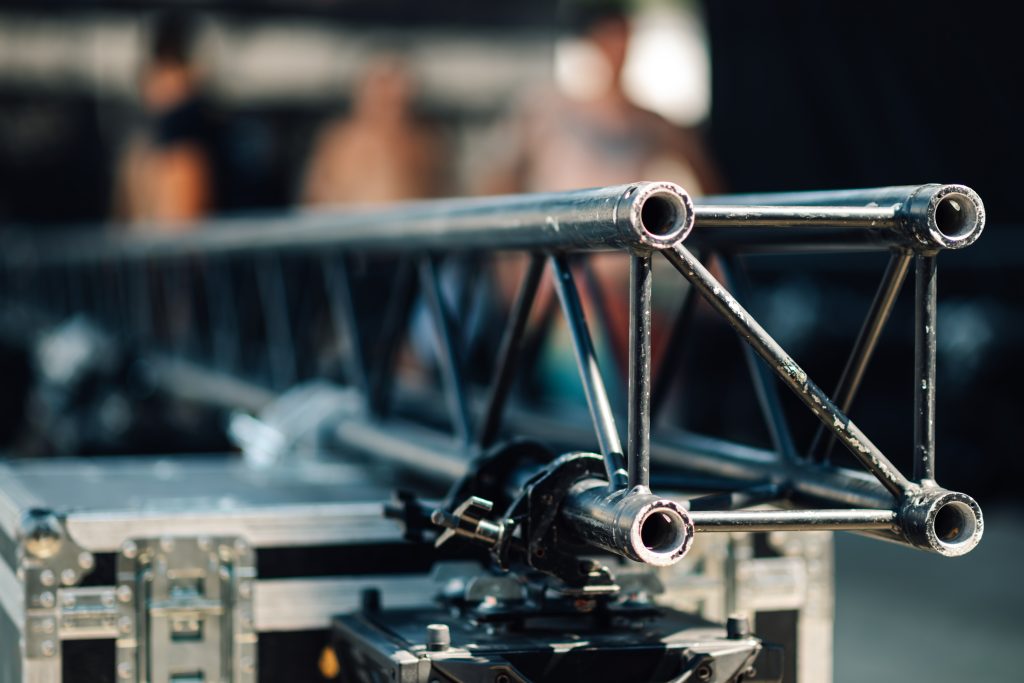
Spotlight Rentals was managing cameras, lighting rigs, grips, and sound equipment across nationwide film productions using spreadsheets and phone calls. Equipment was misplaced between sets, delayed in shipping, and returned damaged with no documented service history. FireFlight tagged every item through its full rental lifecycle, logged maintenance and repair records per asset, and gave production coordinators real-time visibility before the next shoot started.
Film production equipment rental operations managed with FireFlight asset tracking

If your rental operation manages high-value equipment across multiple active productions and your team is still confirming availability by phone call, FireFlight was built for exactly this situation.

Schedule your free consultation

What was the problem before FireFlight?

Film production equipment does not sit still. Cameras, lighting rigs, grips, and sound packages move continuously between warehouse storage, delivery vehicles, active sets, and return staging. Spotlight Rentals was managing that movement across a nationwide client base using spreadsheets and phone calls, which meant the system was only as current as the last person who remembered to update it. Equipment was regularly misplaced between sets, and the confirmation process consumed staff time that should have been spent on the next production booking.

Damaged returns were the second compounding problem. Without a documented check-out and return condition record, disputed damage became a conversation rather than a documented fact. Repairs happened without being tied to the rental that caused them. The repair history for any given camera or lighting rig existed in scattered work orders that nobody was consolidating into a complete picture of that asset's actual cost over its rental life.

The financial consequence was a profitability picture nobody could confirm. In 2026, a nationwide rental operation running multiple simultaneous productions needs to know which projects are actually profitable after accounting for depreciation, repair costs, and idle time between rentals. Spotlight had none of that data attached to individual projects. Revenue was visible. True margin was not.

Spreadsheet-based rental tracking has no chain-of-custody record and no timestamped condition log. When expensive equipment comes back damaged and a client disputes responsibility, the spreadsheet is not evidence. A timestamped FireFlight check-out and return record with condition documentation attributed to a specific rental is. That distinction becomes financially significant the first time a disputed repair exceeds the annual cost of the system that would have prevented the dispute.

What FireFlight was configured to handle

The deployment covered full lifecycle tracking for every item in the inventory, preventive maintenance scheduling and repair history logging per asset, per-production equipment allocation with real-time availability visibility, route optimization for deliveries between warehouse locations and active sets, and per-project financial tracking including rental income, repair costs, and depreciation. Configuration was completed in weeks, not months. Every piece of equipment was tagged and entered before the first production went live on the new system.
FireFlight Full Lifecycle Equipment Tracking

Every item tracked from warehouse check-out through on-set delivery, active use, and return condition logging. Complete chain of custody with timestamp and user attribution at every stage.

FireFlight Maintenance Scheduling and Repair History

Preventive maintenance alerts fire before service intervals are missed. Every repair logged with cost, parts, and technician. Management sees which items have been repaired repeatedly and what each asset has cost in maintenance over its rental life.

FireFlight Per-Production Equipment Allocation

Equipment assigned to specific productions with full availability and return date visibility. Scheduling conflicts surface before they become emergency shipments. Coordinators confirm what is available without calling the warehouse.

FireFlight Route Optimization for Multi-Set Deliveries

Deliveries between warehouse locations and active sets routed for efficiency rather than scheduled independently per order. Shipping time and cost reductions compound across a nationwide operation with simultaneous active productions.

FireFlight Per-Project Financial Tracking

Rental income, repair costs, and depreciation tracked per item and rolled up to per-project profitability. Each production's true margin is visible after accounting for the actual cost of the equipment it used, including any damage repairs triggered by that rental.

FireFlight Scenario Planning for Resource Allocation

Managers simulate scheduling changes and maintenance timing before committing. Upcoming productions planned against confirmed availability and projected maintenance windows rather than assumed availability.
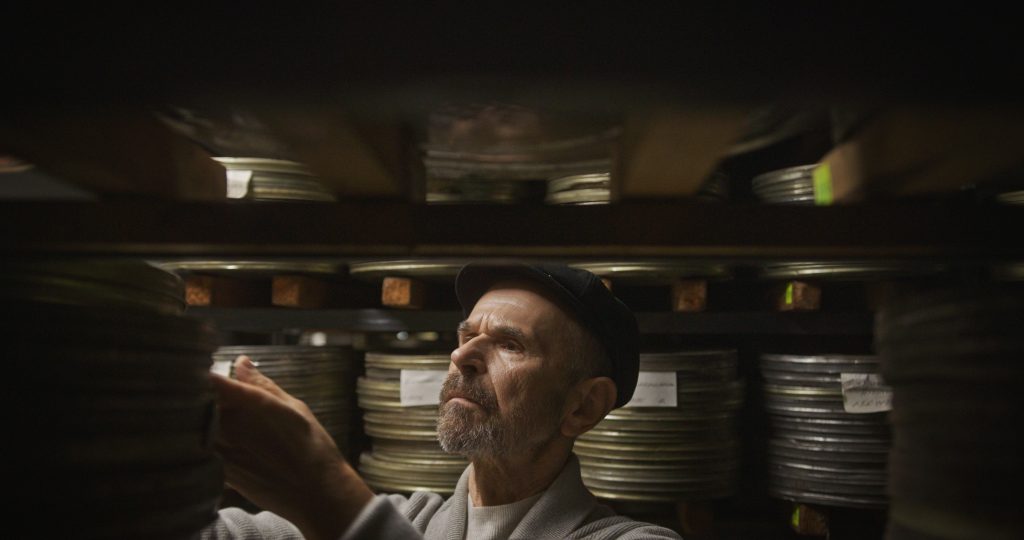
Spotlight Rentals production coordinator using FireFlight to track equipment allocation across shoots

What changed after deployment

Equipment loss dropped by over 80% after deployment.¹ Every item had a confirmed location at every point in its rental cycle, and every movement was logged with a timestamp and a user. Equipment that had previously gone missing between sets was either located immediately in the system or flagged as overdue before the next production needed it. The emergency shipments that had been a regular operational cost became rare.

The repair dispute process changed as significantly. Return condition documented in FireFlight at check-in, attached to the specific rental and the specific client, converted a conversation about damage responsibility into a documented record. Repairs were logged against the asset and the rental that generated them. The financial picture for each project included what it actually cost to service the equipment that production returned.

  • Equipment loss reduced by over 80% after full lifecycle tracking went live. Items that had previously been misplaced between sets had a confirmed location in the system at every stage of the rental cycle.
  • Project delivery times improved as production coordinators stopped relying on phone calls to confirm availability. Equipment scheduling conflicts became visible days before the shoot rather than hours before it.
  • Per-project profitability became a real number. Rental income, repair costs attached to specific productions, and depreciation combined into a margin figure management could act on rather than estimate.
  • High-value equipment utilization increased as idle time between productions became visible. Items sitting in the warehouse past their expected return date were flagged rather than assumed to be in transit.

The maintenance history that accumulated in FireFlight over the first year became an asset in itself. Replacement decisions that had previously been based on a camera's age were now based on its documented repair cost over its rental life. Items repaired multiple times at high cost were identified for replacement. Items in strong condition despite heavy rental frequency were confirmed to stay in service.

What we learned from this deployment

Film production equipment rental has a cost structure that makes asset visibility disproportionately valuable. A camera or lighting rig sitting idle because it cannot be located is not just a missing asset. It is a rental day that cannot be recovered. At the daily rates that professional production equipment commands, even a modest reduction in idle time and loss pays for a full deployment within the first year.

The insight that applies to any high-value equipment rental operation: the margin on each rental is not the rental rate. It is the rental rate minus the repair cost triggered by that rental, minus the depreciation that rental consumed, minus the idle time that followed it. Without per-project financial tracking that captures all of those numbers, pricing decisions are based on revenue rather than margin. Spotlight was managing a revenue stream before FireFlight while the costs accumulated invisibly in the background. The 80% reduction in equipment loss was the most visible outcome. The recovery of margin per project was the more consequential one.

The second confirmed insight: maintenance history is a replacement planning tool, not just an operational record. When every repair is logged with its cost and attributed to a specific asset, the replacement decision stops being about how old the equipment is and starts being about what it has actually cost to keep in service. That shift produces better capital allocation decisions than any depreciation schedule alone.

Deployments covering full lifecycle equipment tracking, per-project financial reporting, and route optimization for multi-location rental operations are completed in weeks, not months. The configuration built for Spotlight Rentals applies directly to any rental operation managing high-value equipment across multiple simultaneous client engagements.

Frequently asked questions

FireFlight Can FireFlight track film equipment from warehouse storage through delivery on set and return?
+
Yes. FireFlight tracks every item through its full rental lifecycle. From warehouse check-out through delivery confirmation on set, active production use, and return condition logging, every stage is recorded with a timestamp and user attribution. The complete chain of custody for every piece of equipment is in the system.
FireFlight How does FireFlight track maintenance history for high-value equipment like cameras and lighting rigs?
+
Each piece of equipment carries its own maintenance record in FireFlight. Preventive maintenance schedules fire alerts before service intervals are missed. Every repair is logged with its cost, parts used, and technician attribution. Management can see which items have been repaired repeatedly, how much each asset has cost in repairs, and whether a replacement decision is warranted based on documented history.
FireFlight Can FireFlight manage equipment allocation across multiple simultaneous productions?
+
Yes. Equipment is assigned to specific productions with full visibility of availability, current location, and return date. Production coordinators see which items are committed to active shoots, which are available for upcoming productions, and when each item is expected back. Scheduling conflicts are visible before they become emergency situations.
FireFlight How does FireFlight track repair costs and equipment depreciation per project?
+
Rental income, repair costs, and depreciation are tracked per item and rolled up to per-project profitability reporting. Each production's financial picture includes the revenue it generated alongside the actual cost of the equipment used, including repairs triggered by that production's rental. Project profitability is visible without manual reconciliation.
FireFlight Can FireFlight optimize delivery routes between multiple active film sets?
+
Yes. FireFlight includes route optimization for deliveries between warehouse locations and active production sets. Equipment moving between shoots is routed efficiently rather than scheduled independently per delivery. For a nationwide operation with simultaneous active productions, the reduction in shipping time and cost compounds across every delivery cycle.
FireFlight What happens when returned equipment comes back damaged? Can FireFlight log and track the repair?
+
Yes. Return condition is logged against the item record at check-in, with damage documented and attributed to the specific rental that returned it. A repair work order is opened in FireFlight, tracked through completion, and the cost is attached to the item's maintenance history. The timeline showing when damage occurred and which production was responsible is preserved in the system.
FireFlight How long does a FireFlight deployment take for a nationwide film equipment rental operation?

+
Most deployments for equipment rental and asset management operations are completed in weeks, not months. Timeline depends on the size of the inventory to tag and enter, the number of warehouse locations, and the complexity of the financial tracking and per-project reporting configurations required. Staff training runs alongside configuration so the team is operational from day one of go-live.
Schedule your free consultation
Allison Woolbert
Allison Woolbert
Principal, Phoenix Consultants Group  |  Developer, FireFlight Data Systems

PCG founded 1995. 500+ applications built across 31 years, roughly one-third in regulated environments where software failure carries direct operational and compliance consequences. FireFlight is the platform built from that body of work. When you contact PCG, Allison is the person who answers.

phxconsultants.com LinkedIn

¹ Outcome reported by Spotlight Rentals based on internal equipment loss records before and after FireFlight deployment. Company name has been changed to protect client information.

The company name in this use case has been changed to protect client information. The operational scenario and outcomes described represent a documented FireFlight deployment.

Customer satisfaction increased as productions received the right equipment on time.

 The company also saved significant costs in repairs and emergency shipments, ultimately increasing revenue and operational efficiency.

Disaster Relief Supply Management: RapidRelief Use Case | FireFlight
Last updated: April 2026

Disaster Relief Supply Management: How RapidRelief Gained Visibility Across Hundreds of Aid Locations
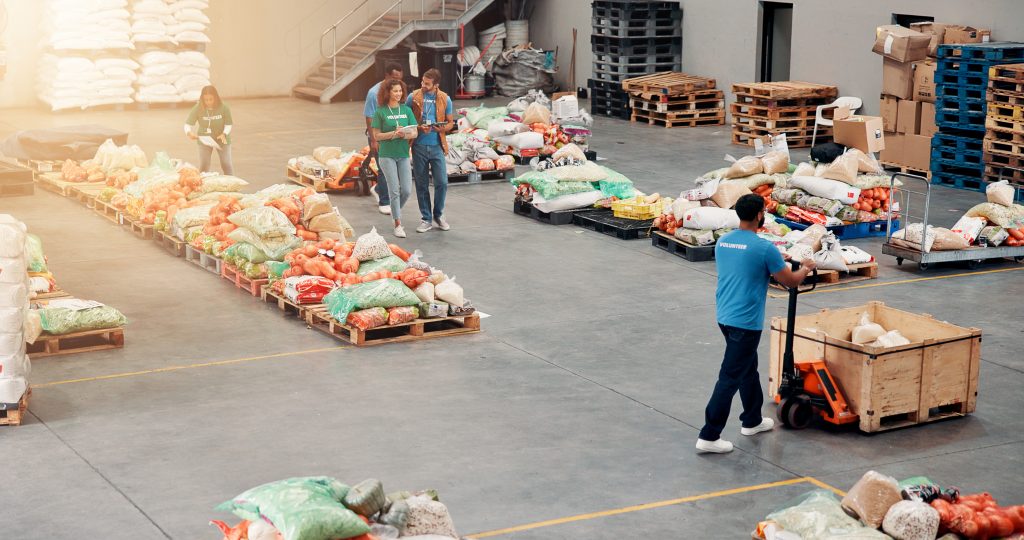
RapidRelief was coordinating emergency food, water, medical kits, and shelter materials across hundreds of warehouses and aid sites using manual processes and paper lists. Supplies arrived late. Perishables expired before reaching anyone. FireFlight gave every warehouse and vehicle a real-time inventory record, tracked expiration dates across all perishable supplies, and put field teams on mobile access before the next deployment.
RapidRelief emergency supply coordination with FireFlight inventory management

If your operation manages time-sensitive inventory across multiple locations and field teams are still working from paper lists or disconnected tools, FireFlight was built for exactly this situation.

Schedule your free consultation

What was the problem before FireFlight?

Disaster response is the operational environment where inventory management failures produce the worst possible outcomes. Supplies that reach the wrong location while another site runs out are not a logistics inconvenience. Medical kits that expire in a warehouse are not a write-off. The consequences land on people who have no alternative source. RapidRelief was coordinating across warehouses, trucks, and aid locations using manual processes, and the system was producing exactly those failures.

Every disaster scenario presented a different configuration problem. Supplies could be distributed across multiple cities or multiple countries, with different teams at each location needing to know what was available and what was en route. Without a unified inventory record, the only way to answer those questions was to call each location separately. By the time a confirmed answer came back, the situation on the ground had already changed.

Expiration tracking was the silent failure mode. Food, medications, and medical kits all carry expiration dates that make them unsafe after a certain point. In 2026, an organization distributing expired supplies in a disaster zone is not just operationally ineffective. It faces regulatory and reputational consequences that outlast the deployment. RapidRelief had no system-level way to monitor expiration dates across distributed inventory before a supply became unsafe.

Paper lists and offline tools have no access controls, no audit trail, and no encryption. For an organization managing sensitive financial data, donation records, and logistical information across insecure networks in disaster zones, that is not an acceptable exposure. A misplaced paper list or an unencrypted spreadsheet on a shared device is the same as no security at all.

What FireFlight was configured to handle

The deployment covered real-time inventory tracking across all warehouses and vehicles, expiration date monitoring for all perishable supplies, multi-level financial tracking from individual warehouses through regional and organizational views, role-specific dashboard configuration for every team type, and mobile access for field personnel. Modules were built specifically to match RapidRelief's disaster response workflows, including input fields, calculation logic, and reporting formats that generic platforms do not carry. Configuration was completed in weeks, not months.

FireFlight Real-Time Inventory Across All Sites and Vehicles

Every warehouse, truck, and storage location tracked in a single live record. Critical supplies confirmed in seconds regardless of location. Field teams and command center staff see the same data simultaneously.

FireFlight Expiration Date Monitoring and Alerts

Expiration dates tracked for all perishable items including food, medications, and medical kits. Alerts fire before supplies reach their expiration window with enough lead time to rotate, deploy, or remove affected inventory before it becomes unsafe.

FireFlight Multi-Level Financial Tracking

Costs, donations, and spending tracked from individual warehouse level through regional and full organizational views. Each level sees the financial picture relevant to its scope without manual consolidation from below.

FireFlight Role-Configured Dashboards

Hundreds of dashboards built to individual team needs. A field worker at a single distribution point sees their location's supply levels and expiration alerts. A regional coordinator sees all sites in their area. Organization leadership sees the full picture.

FireFlight Mobile Access for Field Teams

Accessible from phones, tablets, or computers anywhere with an internet connection. Field personnel update records and receive alerts in real time from their location. No lag between what happens in the field and what management sees.

FireFlight Triple Encryption and Secure Access

Triple encryption on all data in transit and at rest. Sensitive financial and logistical data stays protected regardless of the network being used to access the system. Role-based access controls limit exposure even when devices are shared in field conditions.

RapidRelief field operations team accessing FireFlight inventory data on mobile devices

What changed after deployment

Full inventory visibility across all sites replaced the phone-based confirmation process that had been consuming coordination time before every deployment. The question of what was available where, and whether it was still within its safe use window, had a confirmed answer in the system before field teams needed to ask it.

The shift from reactive to proactive coordination was immediate. Rather than discovering a supply shortage after teams were already in position, planners could see which locations were overstocked and which were running low while there was still time to redistribute. Expiration alerts arriving before the critical window gave teams lead time to act rather than a notification that inventory had already become unusable.

  • Wasted resources from expired supplies dropped significantly after expiration monitoring went live. Perishable inventory that had previously expired unnoticed in distributed storage was now flagged in advance across every location.
  • Financial tracking became precise across all organizational levels. Management could see costs and donation allocation at any scale, from a single warehouse to the full organizational view, without waiting for manual reports from the field.
  • Field responsiveness increased as personnel moved from paper lists to mobile access. Record updates that had previously required returning to a connected device at the end of a shift happened in real time from the distribution point.
  • Each deployment generated operational data that informed the next one. Which supply quantities matched actual demand, which routes produced the fastest delivery times, and which expiration windows created the most waste all became part of an accumulating record that made future planning more accurate.

What we learned from this deployment

Disaster relief operations represent the most extreme version of the multi-location inventory management problem. The inventory is time-sensitive and perishable. The locations are temporary and constantly changing. The cost of misallocation is measured in human outcomes rather than financial loss. The system that works in this environment works in any environment where inventory visibility and expiration tracking matter.

The insight that carries to any time-sensitive inventory operation: expiration tracking is the hidden failure mode. Organizations focused on getting the right supplies to the right place frequently underinvest in tracking whether those supplies are still safe and effective when they arrive. For pharmaceutical distributors, food logistics operations, medical supply chains, and any organization managing perishable inventory across distributed locations, the exposure is the same as RapidRelief's before deployment. The difference is that in disaster relief, the consequences are visible immediately. In other industries, they accumulate quietly until a liability event makes them undeniable.

The second thing this deployment confirmed is that generic platforms do not handle the specific data requirements of specialized operations. RapidRelief's workflows, including the calculations required for disaster response planning, the reporting formats required by oversight bodies, and the input structures needed to capture field conditions accurately, did not exist in any off-the-shelf tool. FireFlight's configurable module structure allowed those requirements to be built into the system before the first deployment went live.

Deployments for multi-location inventory management with expiration tracking, financial reporting across organizational levels, and role-specific dashboard configuration are completed in weeks, not months. The configuration built for RapidRelief applies directly to any operation managing time-sensitive inventory across geographically distributed locations with multiple team types needing different views of the same data.

Frequently asked questions

FireFlight Can FireFlight track inventory across hundreds of warehouse locations and vehicles simultaneously?
+
Yes. FireFlight maintains a single real-time inventory record across every warehouse, truck, and storage location in the network. A supply item confirmed at one location is visible to every authorized team member anywhere in the system. There is no manual sync and no dependency on a central office to relay information.
FireFlight How does FireFlight manage expiration dates for perishable supplies like food and medications?
+
FireFlight monitors expiration dates for every perishable item and fires alerts before supplies reach their expiration window. Teams receive notification with enough lead time to rotate, deploy, or remove affected inventory before it becomes unsafe. Food, medical kits, and medications are tracked under the same monitoring logic across all locations.
FireFlight Can FireFlight track donations and spending across different levels of an organization?
+
Yes. FireFlight manages finances across multiple organizational levels simultaneously. Costs, donations, and spending are visible at the individual warehouse level, rolled up to regional views, and aggregated to the full organizational level. Each level sees the financial picture relevant to its scope without manual consolidation from below.
FireFlight How does FireFlight handle coordination between command center staff and field teams in remote locations?
+
FireFlight is mobile-ready and accessible from phones, tablets, or computers anywhere with an internet connection. Field personnel update inventory records and receive alerts in real time from their location. Command center staff see the same data simultaneously. There is no lag between what happens in the field and what management sees.
FireFlight Can dashboards be configured differently for field personnel versus management?
+
Yes. FireFlight supports hundreds of individually configured dashboards. A field team member at a single distribution point sees inventory, expiration alerts, and supply status for their location. A regional coordinator sees all sites in their area. Organization-level management sees the full operational view. Each role gets the data it needs without navigating through data that does not apply.
FireFlight How secure is FireFlight when accessed from disaster zones or insecure networks?
+
FireFlight uses triple encryption on all data in transit and at rest. Sensitive financial and logistical data stays protected regardless of the network being used to access the system. Role-based access controls mean each user can only reach data their role authorizes, reducing exposure even when devices are lost or shared in field conditions.
FireFlight How long does a FireFlight deployment take for a multi-location emergency supply operation?
+
Most deployments for multi-site inventory and operations management are completed in weeks, not months. For operations with complex requirements including expiration tracking, multi-level financial reporting, and role-specific dashboard configurations, timeline depends on the number of locations and the depth of the module requirements. Configuration runs alongside staff training so the team is operational from day one of go-live.
Schedule your free consultation
Allison Woolbert
Allison Woolbert
Principal, Phoenix Consultants Group  |  Developer, FireFlight Data Systems

PCG founded 1995. 500+ applications built across 31 years, roughly one-third in regulated environments where software failure carries direct operational and compliance consequences. FireFlight is the platform built from that body of work. When you contact PCG, Allison is the person who answers.

phxconsultants.com LinkedIn

The organization name in this use case has been changed to protect client information. The operational scenario and outcomes described represent a documented FireFlight deployment.

FireFlight’s Ikhana-inspired system, intelligent, conscious, and aware,transformed RapidRelief’s operations.

It not only informed and guided their logistics but also taught the teams how to respond smarter, plan more efficiently, and save more lives during emergencies.

Film Festival Equipment Rental Management: CineTech Use Case | FireFlight
Last updated: April 2026

Film Festival Equipment Rental: How CineTech Stopped Losing Projectors and Started Running Events

CineTech Rentals was managing high-value projectors, lighting rigs, and sound equipment across multiple festival sites with no reliable way to know where anything was. Equipment disappeared between warehouses and venues. Projectors failed mid-show because service intervals were tracked in spreadsheets nobody consistently updated. FireFlight tagged every asset, automated maintenance scheduling, and gave the operations team real-time visibility across all sites before the next load-in.
Film festival equipment setup managed with FireFlight asset tracking

If your rental operation manages high-value equipment across multiple locations and your team still relies on phone calls to confirm availability, FireFlight was built for exactly this situation.

Schedule your free consultation

What was the problem before FireFlight?

Film festivals run on fixed schedules with no recovery time built in. When a projector does not show up for a screening, the screening does not happen. When a lighting rig arrives untested and fails during a show, nobody in the audience cares that the spreadsheet said it was serviced last month. CineTech Rentals was operating in that environment while managing equipment from spreadsheets and email chains that could not keep pace with the actual movement of assets between warehouses and sites.

The visibility problem was total. Equipment would leave a warehouse on one record and arrive at a festival site on another, with nothing connecting the two. A festival director calling to ask where their reserved projector was could not be given a confirmed answer without calling three people first. In 2026, that is not a logistics problem. It is a client retention problem.

Maintenance was reactive by default. Without a central schedule, service happened when a technician noticed something was wrong, or when it failed in front of an audience. High-value projection equipment and specialized lighting rigs have specific service intervals that do not negotiate with event schedules.

Spreadsheet-based asset tracking carries a specific exposure for rental businesses. There is no chain-of-custody record, no timestamped check-out log, and no way to attribute condition changes to a specific event or handler. When expensive equipment comes back damaged and the client disputes responsibility, the spreadsheet is not evidence. FireFlight's audit trail is.

What FireFlight was configured to handle

The deployment covered real-time asset tracking across all warehouse locations and active festival sites, preventive maintenance scheduling by equipment type and service interval, custom fields for rental agreements and client preferences, asset depreciation tracking, and mobile access for crew working in the field. Configuration was completed in weeks, not months. Every piece of equipment was tagged and entered before the next festival season.

FireFlight Real-Time Equipment Location Across All Sites

Every projector, soundboard, and lighting rig tracked across all warehouses and active festival locations. A confirmed location for any asset in seconds, without a phone call.

FireFlight Preventive Maintenance Scheduling

Service intervals configured per equipment type. Alerts fire before a maintenance window is missed. Equipment arrives at festival sites tested and confirmed, not discovered to be faulty at load-in.

FireFlight Rental Agreement and Client Preference Fields

Custom fields configured per equipment category. Rental terms, client preferences, and return condition requirements travel with the asset record, not in a separate email thread.

FireFlight Mobile Access for On-Site Crew

Crew members log equipment movements and check availability from phones or tablets on-site. Updates reach the warehouse and operations management immediately, not at end of day.

FireFlight Asset Depreciation Tracking

Depreciation schedules configured per asset class. Projectors and specialized rigs carry their own depreciation records alongside rental history, giving management accurate asset values without manual accounting work.

FireFlight Per-Festival Custom Dashboards

Operations management configures a dashboard view per event, showing only the equipment assigned to that festival. The full inventory is still accessible. The daily view is filtered to what is actually relevant.

CineTech operations team using FireFlight to manage equipment across festival locations

What changed after deployment

The operational test that defined the deployment happened the summer after go-live. CineTech had equipment spread across three cities running concurrent festivals. In previous years, that scenario required the operations team to spend the entire run managing logistics by phone. With FireFlight, every asset's location was confirmed before it left the warehouse, maintenance status was verified against scheduled service records, and the on-site crew updated records in real time from their phones.

The operations team attended the festival. They did not spend it running down equipment.

  • Equipment failures at live events dropped to near zero within the first season after go-live. Maintenance alerts reaching the team before load-in replaced the reactive discovery of problems on-site.
  • Festival directors stopped calling to ask where their reserved equipment was. The confirmation existed in the system before the call needed to happen.
  • The chain-of-custody record that FireFlight maintained for every asset resolved a client dispute over returned equipment condition within a single conversation. The audit trail showed exactly who had the equipment, when, and in what logged condition.
  • Taking on additional festivals without scaling the operations team became possible. The volume of management work the team had been absorbing through phone calls and email chains transferred into the system instead.

Asset depreciation data that previously required manual reconciliation at year-end was current in FireFlight at all times. The financial picture of the equipment portfolio was visible on demand rather than assembled once a year from scattered records.

What we learned from this deployment

Event-based rental operations face a version of the visibility problem that is more acute than most industries. The equipment does not sit in a warehouse waiting to be found. It moves constantly, handled by different crew at different sites under time pressure, and its condition at the start of each event determines whether the event runs. Tracking that in spreadsheets is not a workaround. It is a liability that accumulates with every rental cycle.

The insight that carries beyond film festival rentals: any operation where high-value equipment moves between locations on client-facing timelines has the same underlying problem. The question is not whether asset tracking software costs less than the spreadsheet. It is whether the next missing projector, the next disputed return, or the next mid-show failure costs more than the full deployment. For rental businesses operating on reputation, one bad event is enough to answer that question.

The second thing this deployment confirmed is that rental operations generate documentation value that spreadsheets discard. Every check-out, every maintenance action, every return condition log is potential evidence in a client dispute and a data point for replacement planning. FireFlight captured that data as a byproduct of normal operations. Within one season, CineTech had an equipment history that had never existed before.

Deployments covering multi-site asset tracking, rental documentation, and preventive maintenance scheduling are completed in weeks, not months. The configuration built for CineTech applies directly to any rental operation managing high-value equipment across more than one location.

Frequently asked questions

FireFlight Can FireFlight track high-value rental equipment across multiple event sites simultaneously?
+
Yes. FireFlight maintains a single real-time record of every piece of equipment across all warehouses and active event sites. A projector or soundboard assigned to one festival is flagged as unavailable everywhere else the moment it is checked out. No phone calls required to confirm what is where and when it returns.
FireFlight How does FireFlight handle rental agreements and client-specific equipment preferences?
+
FireFlight allows custom fields to be configured per equipment category and per client. Rental agreement terms, client preferences, asset depreciation schedules, and return condition requirements are tracked within the system alongside physical inventory. The same record that shows where equipment is also carries the rental documentation for that item.
FireFlight Does FireFlight send maintenance alerts before equipment fails at a live event?
+
Yes. Preventive maintenance schedules are configured per equipment type. FireFlight fires alerts before a service interval is reached, not after a failure is reported. For rental operations where equipment failure during a live show cannot be recovered in real time, alerts arriving before deployment is the only maintenance model that actually works.
FireFlight Can my team check equipment availability and status from mobile devices at festival sites?
+
Yes. FireFlight is mobile-ready. Team members check equipment status, log asset movements, and update records from phones or tablets whether they are at the warehouse, in transit, or on-site at a festival. Every update is visible across all locations immediately with no batch upload required at end of day.
FireFlight How does FireFlight manage equipment spread across multiple cities at the same time?
+
Each active event location is a tracked site within FireFlight. Equipment assigned to each city is logged against that location with its maintenance status, check-out record, and return date attached. Operations management sees a consolidated view across all active events. Individual site managers see only their location's equipment.
FireFlight How long does a FireFlight deployment take for a rental equipment operation?
+
Most deployments for equipment rental and asset tracking operations are completed in weeks, not months. Timeline depends on the number of warehouse locations, the volume of equipment to tag and enter, and how many custom fields for rental agreements and client preferences need to be configured. Staff training runs alongside configuration.
FireFlight Can FireFlight track asset depreciation for high-value film equipment?
+
Yes. Depreciation schedules are configurable per asset category. Projectors, specialized lighting rigs, and sound equipment each carry their own depreciation tracking alongside rental history and maintenance records. Financial reporting pulls current asset values without manual reconciliation at month-end.
Schedule your free consultation
Allison Woolbert
Allison Woolbert
Principal, Phoenix Consultants Group  |  Developer, FireFlight Data Systems

PCG founded 1995. 500+ applications built across 31 years, roughly one-third in regulated environments where software failure carries direct operational and compliance consequences. FireFlight is the platform built from that body of work. When you contact PCG, Allison is the person who answers.

phxconsultants.com LinkedIn

The company name in this use case has been changed to protect client information. The operational scenario and outcomes described represent a documented FireFlight deployment.

Aquaculture Equipment Management: Multi-Farm Use Case | FireFlight
Last updated: April 2026

Aquaculture Equipment Management: How a Multi-Farm Operation Stopped Losing Equipment and Started Preventing Failures

AquaTech Supplies was managing pumps, sensors, feeding systems, and tanks across multiple fish farm locations in spreadsheets that could not track where anything was. Equipment failed during critical operations because no replacement was confirmed on site. FireFlight tagged and tracked every piece of equipment across all farms, put preventive maintenance on a schedule, and ended the reactive scramble that was consuming the entire operations team.

If your operation manages equipment or parts across multiple remote locations and your team still calls around to find what is available, FireFlight was built for exactly this situation.

Schedule your free consultation
Aquaculture farm equipment management with FireFlight

What was the problem before FireFlight?

Aquaculture equipment does not fail conveniently. A pump that goes down at a remote farm site at the wrong moment is not a delay. In operations where dissolved oxygen levels depend on that pump running, it is a potential stock loss event. AquaTech Supplies was running that risk every day because nobody could confirm in real time which equipment was where, what its service history was, or whether a replacement was on site.

The spreadsheet system had no way to handle the complexity. Each farm had different equipment configurations, different calibration intervals for sensors, different pump hours before service was required. A single spreadsheet tracking all of it was never accurate for more than a few days before updates from one farm overwrote or contradicted data from another. Farm managers stopped trusting it and started calling instead.

The maintenance problem compounded the inventory problem. Without a central schedule, preventive maintenance happened when someone remembered to do it. In 2026, aquaculture operators running reactive maintenance on life-critical equipment are absorbing preventable losses. The cost is not labor hours. It is the stock those systems were keeping alive.

Spreadsheets have no audit trail for equipment maintenance history or calibration records. For aquaculture operations subject to environmental permits and water quality monitoring requirements, missing documentation for sensor calibrations or equipment service is not just an operational gap. It is a compliance exposure that survives the equipment failure itself.

What FireFlight was configured to handle

The deployment covered equipment tagging and tracking across all farm sites, site-specific module configuration for each farm's unique equipment setup, preventive maintenance scheduling by equipment type and service interval, and mobile access for technicians working in the field. Configuration was completed in weeks, not months, with each farm's specific calibration schedules and maintenance windows built in before go-live.

FireFlight Equipment Tracking Across All Farm Sites

Every pump, sensor, filter, and feeding system tagged and tracked in a single live record. A technician at any farm can confirm what is available at any other farm without a phone call.

FireFlight Preventive Maintenance Scheduling

Maintenance windows scheduled by equipment hours, calendar interval, or condition threshold. Alerts fire before a service window is missed. Breakdown response is replaced by scheduled work with parts confirmed on site.

FireFlight Site-Specific Module Configuration

Each farm configured independently. Calibration schedules, pump hour intervals, and feeding cycle tracking are set per site based on that farm's specific equipment. One farm's setup does not affect another.

FireFlight Mobile Access for Field Technicians

Technicians update maintenance logs and equipment records from phones or tablets at the farm site. Records are visible to all locations immediately. No re-entry required when returning to the office.

FireFlight Inventory Visibility and Stock Allocation

Parts and replacement equipment tracked by location. Management can see which farms are overstocked and which are running low, and reallocate before a shortage becomes a failure.

FireFlight Per-Farm Dashboard Alerts

Each farm manager logs in to a dashboard showing equipment status, upcoming maintenance windows, and inventory levels for their location. No calls required to get a current picture of site readiness.

FireFlight dashboard showing aquaculture equipment status across farm locations

What changed after deployment

The shift from reactive to preventive was immediate. Within the first months after go-live, the operations team was scheduling maintenance against confirmed equipment records rather than responding to failures that had already happened. Farm managers stopped calling the central office to ask whether a replacement pump or sensor was available. They checked the dashboard.

The frantic calls that had consumed the operations team's mornings did not gradually reduce. They stopped.

  • Equipment downtime dropped because maintenance was scheduled before failures occurred, not after. Technicians arrived at farm sites with the right parts confirmed before they left the warehouse.
  • Stock allocation across farms became visible and manageable. Sites that had duplicate equipment sitting unused were identified. Sites running short were restocked before a shortage became an emergency.
  • Technicians spent their time servicing farms rather than tracking down equipment or completing paperwork at the end of the day. Mobile field updates eliminated the re-entry step entirely.
  • Management's operating posture changed from crisis response to forward planning. Upcoming maintenance windows, parts requirements, and site readiness were visible weeks in advance rather than discovered on the day.

The calibration and maintenance records that previously existed in scattered spreadsheets, or not at all, accumulated automatically in FireFlight as technicians completed work. Within two months of go-live, the operation had a complete equipment history that had never existed before. That history is the foundation for every compliance documentation request, every equipment replacement decision, and every maintenance budget conversation going forward.

What we learned from this deployment

Aquaculture is one of the few industries where equipment management is directly coupled to biological outcomes. A sensor that goes out of calibration does not produce a bad report. It misrepresents the water conditions keeping stock alive. A pump that fails without a replacement on site does not create a delay. It creates a mortality event.

The insight that applies beyond aquaculture: when equipment failure has biological or safety consequences, the entire cost model for preventive maintenance changes. The question is not whether scheduled maintenance is worth the labor cost. It is whether the next failure event, with no replacement confirmed on site and no service history to diagnose from, costs more than the full deployment. In aquaculture, that answer is obvious. In any operation where downtime destroys output rather than just delaying it, the math is the same.

The second thing this deployment confirmed is that remote, multi-site operations accumulate invisible risk in their equipment records. Not because staff are careless, but because spreadsheets cannot hold the complexity of multiple farms with different equipment, different calibration schedules, and different service histories updated by different people. FireFlight did not just organize what already existed. It captured data that was never being recorded.

Deployments covering multi-site equipment management, preventive maintenance scheduling, and mobile field updates are completed in weeks, not months. The configuration built for AquaTech Supplies is directly applicable to any operation managing life-critical or production-critical equipment across more than one location.

Frequently asked questions

FireFlight Can FireFlight track aquaculture equipment across multiple farm locations at the same time?
+
Yes. FireFlight maintains a single real-time equipment record across all farm sites. A pump logged as in use at one location is unavailable at every other location the moment it is assigned. Farm managers and technicians see the same data without calling each other to confirm what is where.
FireFlight Can FireFlight be configured differently for each farm location with different equipment setups?
+
Yes. FireFlight is configured per site. Calibration schedules, pump hours, feeding cycle tracking, and sensor monitoring intervals are set independently for each farm based on its specific equipment and operational requirements. One farm's configuration does not affect another, and each farm manager sees only the data relevant to their site.
FireFlight Does FireFlight send alerts before equipment fails, or only after a breakdown is reported?
+
Before. Preventive maintenance alerts are scheduled based on equipment hours, calendar intervals, or condition thresholds. FireFlight flags upcoming service windows before they become failures. For aquaculture operations where a failed pump or sensor can mean stock loss, alerts firing before the failure window is exactly the point.
FireFlight Can field technicians update equipment records and maintenance logs from mobile devices in the field?
+
Yes. FireFlight is mobile-ready. Technicians update maintenance logs, log part usage, and close work orders from phones or tablets at the farm site. Updates are visible to all locations immediately. There is no batch upload at the end of the day and no re-entry step when returning to the office.
FireFlight How does FireFlight handle preventive maintenance scheduling for equipment with different service intervals?
+
Each piece of equipment carries its own maintenance schedule within FireFlight. Service intervals are configured by hours of operation, calendar date, or sensor-based condition thresholds depending on the equipment type. The system tracks all schedules simultaneously and alerts the relevant technician or manager when a service window is approaching.
FireFlight How long does a FireFlight deployment take for a multi-farm equipment management operation?
+
Most deployments for multi-site equipment and maintenance tracking are completed in weeks, not months. Timeline depends on the number of farm locations, the volume of equipment data to migrate, and how many site-specific module configurations need to be built. Staff training runs alongside configuration so the team is operational from day one of go-live.
FireFlight What happens to equipment tracking data when a technician leaves or changes farm assignments?
+
Nothing is lost. FireFlight maintains a complete audit trail of every maintenance action, equipment assignment, and inventory movement attributed to specific users. When a technician leaves, their full work history stays in the system. A new technician picks up a complete record of every piece of equipment they are now responsible for.
Schedule your free consultation
Allison Woolbert
Allison Woolbert
Principal, Phoenix Consultants Group  |  Developer, FireFlight Data Systems

PCG founded 1995. 500+ applications built across 31 years, roughly one-third in regulated environments where software failure carries direct operational and compliance consequences. FireFlight is the platform built from that body of work. When you contact PCG, Allison is the person who answers.

phxconsultants.com LinkedIn

¹ Global aquaculture equipment market projected at 4.8% CAGR through 2030, driven by intensification of land-based recirculating aquaculture systems (RAS) and regulatory pressure on water quality monitoring. Source: Grand View Research, Aquaculture Equipment Market Report, 2025.

The company name in this use case has been changed to protect client information. The operational scenario and outcomes described represent a documented FireFlight deployment.

FireFlight didn’t just organize our inventory—it transformed the way we run our business.

 It’s like having an intelligent, aware assistant that teaches us how to plan smarter and respond faster. Operations that used to feel impossible now run smoothly, and I can confidently say that we’re providing a higher level of service than ever before.

Aircraft Parts Inventory Management: Multi-Airport Use Case | FireFlight
Last updated: April 2026

Aircraft Parts Inventory Management: How a Multi-Airport Operation Eliminated Parts Tracking Chaos

AeroParts Solutions was tracking aircraft maintenance parts across multiple airports in spreadsheets that no one trusted. Parts went missing for days at a time. Three flights were grounded in a single day because a critical component could not be located. FireFlight gave the team real-time visibility across every location and moved the operation from daily crisis management to scheduled execution.

If your operation manages parts or equipment across more than one location and availability confirmation still requires a phone call, this is the problem FireFlight was built to solve.

Schedule your free consultation

What was the problem before FireFlight?

The inventory system was spreadsheets. Multiple airports, multiple teams, no single source of confirmed data. A part marked available in one location had been consumed two days earlier. A part listed as out of stock sat in a crate at a warehouse across the network, unchecked.

The operational cost was not abstract. Aircraft on Ground events, when a plane cannot fly because a required maintenance component is unavailable, carry documented per-hour costs that dwarf any annual software investment.¹ Three flights were delayed on a single day because parts existed somewhere in the network but could not be confirmed in time. In 2026, that kind of delay is not a minor inconvenience to airline clients. It is a contractual liability.

Beyond the direct delays, the team ran in reactive mode every day. Mechanics called warehouse staff. Warehouse staff called other airports. Every hour spent relaying inventory questions was an hour not spent on the next scheduled maintenance window. The pattern repeated without interruption.

Spreadsheets carry an exposure most operations do not account for until an audit. They have no access controls and no audit trail. In an aviation maintenance environment, inventory records that cannot be traced to a specific user action at a specific time are a regulatory liability as well as an operational one.

What FireFlight was configured to handle

The deployment covered real-time inventory management across all airport locations, maintenance scheduling against confirmed parts availability, financial tracking across warehouse entities, and mobile access for technicians on the shop floor. Configuration was completed in weeks, not months. No new hardware was required at any location.

FireFlight Real-Time Multi-Location Inventory

Every part across every airport location in a single live record. A technician at one airport confirms availability at another without a phone call.

FireFlight Maintenance Scheduling

Maintenance windows scheduled against confirmed parts availability. Jobs are not assigned until required inventory is confirmed at the correct location.

FireFlight Reorder Threshold Alerts

Configurable per part type and per location. Alerts fire before stock runs out. Parts depreciation schedules run alongside physical counts.

FireFlight Mobile Access for Technicians

Phones and tablets work on the shop floor. Technicians log part usage and check availability without returning to a desktop terminal. Access is role-based per location.

FireFlight Cost Rollup Across Entities

Asset values and operational costs aggregate from individual warehouse locations through regional levels to the full company view. Financial reconciliation that required manual effort runs automatically.

FireFlight Role-Based Custom Dashboards

Each manager and technician sees inventory, alerts, and maintenance schedules relevant to their location and responsibilities. The system surfaces what each role needs, filtered at login.

The deployment included migration of existing spreadsheet data into FireFlight. Staff at each airport location were trained during rollout so the team was operational on the new system from go-live. Not weeks after.

What changed after deployment

The first real test came when three separate airlines submitted urgent maintenance requests at three different airports simultaneously. In the previous system, that scenario would have produced hours of calls and missed commitments. With FireFlight, every part was located and every technician was scheduled. All three planes flew on time.

That was not an exceptional outcome. It became the standard operating condition.

  • Unplanned downtime dropped after deployment. Mechanics arrived at jobs knowing required parts were confirmed at their location before they walked onto the floor.
  • Maintenance scheduling shifted from reactive to proactive. Upcoming service windows were planned against confirmed inventory, not assumed availability.
  • Financial reconciliation across warehouse locations became a data pull rather than a multi-day manual effort across disconnected spreadsheets.
  • The team's operating posture changed from daily crisis management to scheduled, predictable work. The reactive loop that consumed management's time every morning stopped.

The volume of internal calls dropped sharply. Managers stopped relaying inventory information between airports and started making decisions based on data they could see directly. That shift compounded over time: fewer interruptions led to fewer errors, which led to fewer delays downstream.

What we learned from this deployment

Multi-site parts operations do not fail because parts are missing. They fail because visibility is missing. At AeroParts Solutions, the inventory existed. The problem was that confirming any single component's location required phone calls, which required time, which ran out before the plane needed to fly.

The core insight from aviation maintenance environments: the financial case for real-time inventory visibility is not about reducing overhead. One Aircraft on Ground event at a busy hub costs more than a full year of software fees. Operations that wait until the next delay to evaluate their inventory system pay for that delay in ways no software investment ever approaches.

Aviation maintenance has no tolerance for ambiguity in parts data. When a technician checks availability and the answer is "probably yes," that is the same as no answer. FireFlight's value in this deployment was not adding features to an existing workflow. It removed the ambiguity that was the actual source of every grounded aircraft.

The configuration built for this operation, covering multi-location inventory and maintenance scheduling integrated with confirmed parts availability, applies directly to any operation managing components across more than one physical location. Deployments of this type are completed in weeks, not months.

Frequently asked questions

FireFlight Can FireFlight track aircraft parts inventory across multiple airport locations at the same time?
+
Yes. FireFlight maintains a single real-time inventory record across all locations. A part consumed at one airport is removed from available stock network-wide the moment it is logged. Technicians at any location can confirm availability at any other location without a phone call and without waiting for a spreadsheet to be updated and emailed.
FireFlight How long does a FireFlight deployment take for a multi-site parts and maintenance operation?
+
Deployments for multi-site inventory and maintenance tracking are completed in weeks, not months. The timeline depends on the number of locations, the volume of parts data being migrated, and the number of custom dashboards and alert thresholds to configure. Staff training is built into the rollout process, not scheduled separately afterward.
FireFlight What happens to aircraft maintenance scheduling when parts availability is uncertain?
+
Uncertain availability forces maintenance teams into reactive mode. Scheduled jobs get deferred when required parts cannot be confirmed before the work window opens. Aircraft get grounded waiting for parts that may already exist somewhere in the network but cannot be located in time. FireFlight removes that confirmation gap by making every part's location visible before the job is assigned.
FireFlight Can technicians and mechanics access FireFlight inventory data from mobile devices on the shop floor?
+
Yes. FireFlight is built mobile-ready. Technicians log part usage and check availability from phones or tablets without returning to a desktop terminal. Access is role-based, so each user sees the inventory and maintenance schedules relevant to their location. A mechanic at Airport A cannot accidentally modify inventory records at Airport B.
FireFlight Does FireFlight track parts depreciation and send alerts when stock falls below reorder levels?
+
Yes. Reorder thresholds are configurable per part type and per location. FireFlight sends alerts before stock runs out. Parts depreciation schedules run alongside physical inventory counts, giving management accurate asset valuations without manual reconciliation between accounting records and warehouse counts.
FireFlight Can FireFlight roll up cost and inventory data from individual warehouses to a company-wide view?
+
Yes. FireFlight aggregates from individual warehouse locations through regional views to a full company-level dashboard. The financial reconciliation that previously required manual work across multiple spreadsheets at month-end runs automatically. Management sees total inventory value and operational costs in one place, current as of the last transaction logged.
FireFlight What is the real cost difference between running parts inventory in spreadsheets versus a dedicated system?
+
The direct costs of spreadsheet-based parts inventory are the hours spent confirming availability and the operational disruptions when confirmation fails. For aviation maintenance, a single Aircraft on Ground event caused by an unlocatable part can cost more than a full year of software fees. The relevant comparison is not software price against spreadsheet cost. It is what one delay costs against what the system costs annually.
Schedule your free consultation
Allison Woolbert
Allison Woolbert
Principal, Phoenix Consultants Group  |  Developer, FireFlight Data Systems

PCG founded 1995. 500+ applications built across 31 years, roughly one-third in regulated environments where software failure carries direct operational and compliance consequences. FireFlight is the platform built from that body of work. When you contact PCG, Allison is the person who answers.

phxconsultants.com LinkedIn

¹ Aviation Week Network, MRO Benchmarking: Aircraft on Ground Costs and Recovery Times, 2024.

The company name in this use case has been changed to protect client information. The operational scenario and outcomes described represent a documented FireFlight deployment.

FireFlight turned our tragic, high-stress nightmare into a story of efficiency, control, and confidence.

 It’s like having an intelligent, aware assistant that not only informs us but teaches us how to operate smarter, respond faster, and prevent disasters before they happen.
The names of this company has been changed to protect their information, and each scenario represents a practical use case of FireFlight.
Gem and Mineral Operations Management: CrystalVista Use Case | FireFlight
Last updated: April 2026

Gem and Mineral Operations Management: How CrystalVista Tracked Every Stone from Mine to Customer

CrystalVista Gems was sourcing raw crystals from mining sites across multiple states, moving them through processing facilities, and selling at gem shows nationwide with no clear picture of what anything cost. Three batches of rare quartz arriving from three different states on the same weekend with no confirmed sequence or total cost. FireFlight gave every gem a documented cost record from excavation to sale and turned reactive pricing into real margin visibility.
CrystalVista Gems multi-site operations managed with FireFlight inventory and cost tracking

If your operation sources, processes, and sells physical goods across multiple locations and your cost picture is only clear at the end of the month, FireFlight was built for exactly this situation.

Schedule your free consultation

What was the problem before FireFlight?

CrystalVista Gems grew from a single-person operation into a multi-state business without ever building a system to match. The founder could hold every stone's origin, cost, and status in memory when the operation fit in one workshop. Once sourcing expanded to remote mining sites, independent collectors, and small-scale international suppliers, that personal knowledge became the bottleneck. The business scaled. The infrastructure did not.

By the time CrystalVista was moving raw gems through processing facilities in multiple states and selling at shows across the country, the cost of any given lot was a running estimate at best. Excavation labor, state-to-state transportation, specialist cutting and polishing fees, grading, packaging, and shipping each added to the total. None of it was attached to the actual gem. The margin on a sale was calculated after the fact, if at all. A major show weekend could end with no clear answer on which lots made money.

The weekend that crystallized the problem involved three batches of rare quartz arriving from three different states. The founder spent hours on the phone with drivers, processing teams, and dealers trying to confirm arrival sequence, processing status, and total accumulated cost. By the time the show opened, none of those questions had a confirmed answer. In 2026, that is not a growing pain. It is a structural risk.

Spreadsheet-based inventory tracking has no chain of custody and no cost attribution at the lot level. When a gem show ends and the numbers do not match expectations, there is no audit trail to trace which batch cost more than expected or which supplier invoice was never reconciled. For a business buying from multiple sourcing channels across state lines, that gap accumulates into financial exposure that only becomes visible at year-end.

What FireFlight was configured to handle

The deployment covered per-gem and per-lot origin tracking, cost accumulation across every processing stage, multi-team coordination across collection sites and processing facilities, tool and equipment assignment, preventive maintenance for processing machines, purchase order and invoice management, and real-time profitability by lot. Configuration was completed in weeks, not months. Collection teams, processing specialists, and sales staff each received role-appropriate access before go-live.

FireFlight Per-Gem Origin and Cost Record

Every stone logged with exact geolocation, collection date, weight, and quality grade. Excavation cost, transport, processing fees, packaging, and shipping attach to that record at each stage. Real-time margin is available before the show opens.

FireFlight Multi-Team Role-Based Access

Collection teams log origin data. Processing specialists update cutting, polishing, and grading status. Sales staff see available inventory with margin attached. All three work from the same record without overwriting each other's data.

FireFlight Tool and Equipment Assignment

Shakers, cutting tools, and other mining equipment assigned to specific workers for specific jobs. Location and usage tracked throughout the assignment. Accountability maintained in the system rather than through informal arrangements.

FireFlight Preventive Maintenance for Processing Equipment

Polishers, crushers, and shakers carry their own maintenance schedules. Alerts fire before service intervals are missed. Work orders track repairs, costs, and parts. Downtime from preventable failures is replaced by scheduled service windows.

FireFlight PO and Invoice Management

Purchase orders for raw materials and supplies logged in FireFlight. Supplier invoices matched to POs and inventory updates. Accounting stays accurate without manual reconciliation at month-end or year-end.

FireFlight National Dashboard with Site Rollup

Each collection site, processing facility, and gem show location visible individually. Data rolls up to a national view showing which sites and processes are most profitable and which need adjustment.

CrystalVista Gems processing and inventory operations with FireFlight cost tracking

What changed after deployment

The first gem show after go-live was the reference point. The same show that had previously ended with a pile of unresolved cost questions ended with a complete margin picture per lot before the last customer left. Every cost that had previously been estimated after the fact was attached to the correct gem record during the week it was incurred.

The team operating in reactive mode was replaced by a team that could see what was coming. Processing facilities prioritized high-value lots rather than working through batches in arrival order. Sales staff at shows highlighted gems where the documented margin made the price defensible rather than guessing which lots to push.

  • Lost or mismanaged inventory dropped to near zero. Every stone had a confirmed location at every stage from collection through sale, with a timestamped record of every hand it passed through.
  • Processing equipment downtime fell after preventive maintenance schedules replaced reactive repair. Polishers and crushers that had previously gone down mid-production run were serviced on schedule before failures occurred.
  • Supplier accounting became current rather than quarterly. PO and invoice matching that had required end-of-month reconciliation ran continuously in the background.
  • Management decisions moved from estimate-based to data-based. Which collection sites produced the best margins, which processing sequences delivered the highest quality grades at lowest cost, and which shows returned the best revenue per lot were all visible in the dashboard rather than assembled manually after each cycle.

The founder's operational knowledge, which had been the entire system for years, was captured in FireFlight's configuration and became accessible to the full team. New staff at collection sites and processing facilities could operate correctly from day one without needing the founder present to explain where things were supposed to go.

What we learned from this deployment

Operations that source, process, and sell physical goods across multiple locations share a specific cost visibility problem. The cost accumulates at every step, but without a system that attaches each cost to the specific lot it belongs to, the total is only knowable at the end. By that point the pricing decision is already made and the margin is fixed. The business has been operating on intuition about profitability rather than confirmed data.

The insight that carries beyond gem and mineral operations: when a founder's personal knowledge is the primary operational system, scaling the business means scaling a person. That works until it does not. FireFlight did not replace the founder's knowledge of CrystalVista's operations. It captured that knowledge in a form the rest of the organization could use without the founder in the room. Every workflow, every cost category, every routing decision that existed only in one person's head became a configured process in the system. That is the actual value of the deployment.

The second confirmed insight: for operations managing physical goods across multiple processing stages, the tracking granularity matters. Lot-level tracking tells you which batches made money. Stage-level cost attribution tells you where the margin went. Without both, profitability analysis is retrospective and incomplete. FireFlight's per-gem cost record provided both, from the first day of go-live.

Deployments covering multi-location inventory, per-unit cost tracking, and equipment management are completed in weeks, not months. The configuration built for CrystalVista Gems applies directly to any operation that sources raw materials, processes them through multiple stages, and sells the finished product across geographically distributed locations.

Frequently asked questions

FireFlight Can FireFlight track individual gems from their collection site through processing to final sale?
+
Yes. Each gem or lot is logged with its origin, including exact geolocation, collection date, weight, and quality grade. Every subsequent step, from transportation through processing, packaging, and sale, is recorded against that same record. By the time a gem reaches a customer, FireFlight holds its complete history and total cost.
FireFlight How does FireFlight handle cost tracking across excavation, transportation, processing, and packaging?
+
Every cost category is tied to the individual gem or lot within FireFlight. Excavation labor, transportation, specialist processing fees, packaging, and shipping costs attach to the same record. Real-time margin calculations are available at any point in the process, not just at the point of sale.
FireFlight Can FireFlight coordinate collection teams, processing specialists, and sales staff across different locations?
+
Yes. FireFlight uses role-based access to give each team the data relevant to their work. Collection teams log origin data. Processing specialists update cutting, polishing, and grading status. Sales staff see available inventory with margin data attached. All three teams work from the same underlying record without overwriting each other's input.
FireFlight Does FireFlight track tools and equipment assigned to specific workers at mining sites?
+
Yes. Tools and equipment are assigned to specific workers for specific jobs within FireFlight. Location and usage are tracked throughout the assignment. Accountability for shakers, cutting tools, and other equipment is maintained in the system rather than through informal arrangements that disappear when staff changes.
FireFlight How does FireFlight handle preventive maintenance for processing equipment like polishers and crushers?
+
Each piece of processing equipment carries its own maintenance schedule in FireFlight. Alerts fire before service intervals are missed. When equipment breaks down, work orders are submitted directly in the system, tracking repair status, costs, and parts used. The full maintenance history for every machine stays in the same system as the production records that depend on that machine running.
FireFlight Can FireFlight handle purchase orders and invoice matching for raw material suppliers?
+
Yes. Purchase orders for raw materials, polishing supplies, and shipping are logged in FireFlight. Supplier invoices are matched to POs and inventory updates, keeping accounting accurate without manual reconciliation. The same system that tracks where gems are also tracks what was paid for them and to whom.
FireFlight How long does a FireFlight deployment take for a multi-location gem and mineral operation?
+
Most deployments for multi-site inventory, cost tracking, and equipment management operations are completed in weeks, not months. Timeline depends on the number of locations, the complexity of the cost categories to configure, and the volume of existing inventory data to migrate. Each team type gets role-appropriate access configured before go-live.
Schedule your free consultation
Allison Woolbert
Allison Woolbert
Principal, Phoenix Consultants Group  |  Developer, FireFlight Data Systems

PCG founded 1995. 500+ applications built across 31 years, roughly one-third in regulated environments where software failure carries direct operational and compliance consequences. FireFlight is the platform built from that body of work. When you contact PCG, Allison is the person who answers.

phxconsultants.com LinkedIn

The company name in this use case has been changed to protect client information. The operational scenario and outcomes described represent a documented FireFlight deployment.

Implementing FireFlight didn’t just improve efficiency—it transformed our entire approach to business.

 Now, every gem has a story we can tell, every cost is accounted for, every machine is maintained, and every sale is profitable. I can finally focus on expanding

  • 1
  • 2