

Drone Fleet Management: How SkySurvey Eliminated Lost Drones, Prevented Mid-Flight Failures, and Started Tracking Profit Per Project
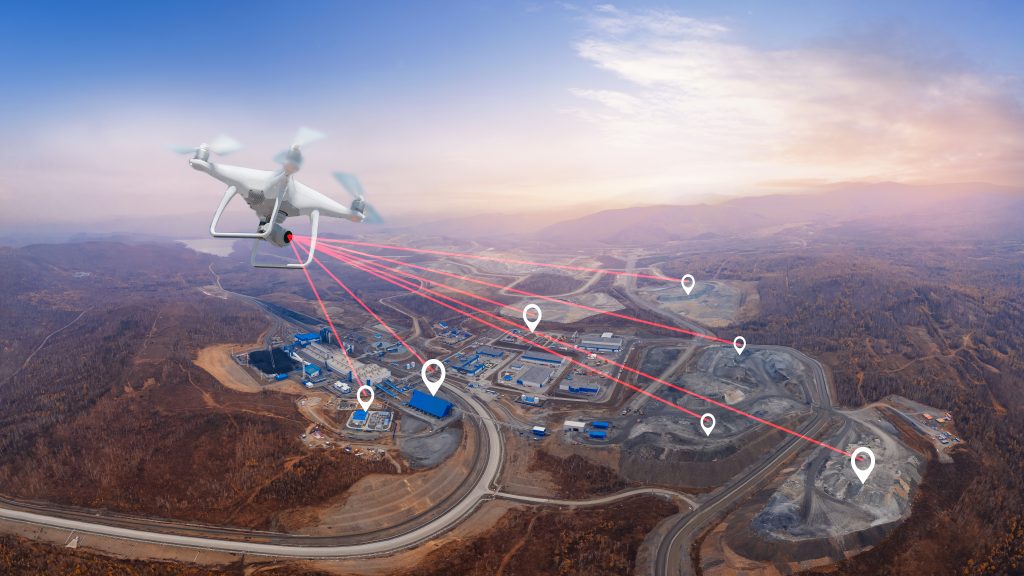
If your drone operation manages multiple assets across different project sites with no central system for maintenance, location tracking, or per-project cost visibility, FireFlight was built for exactly this situation.
Schedule your free consultationWhat was the problem before FireFlight?
Running a commercial drone fleet for survey, mapping, and inspection work means managing not just the drones themselves but every component attached to them. Each drone has its own battery packs with individual cycle counts, sensor payloads with their own calibration schedules, software versions that need updating before flight, and a project assignment history that determines billing. SkySurvey was managing all of that across multiple active sites without a central system, and the operational cost of that gap showed up in predictable ways.
Drones went missing between sites. Hours were spent locating them before a project could start. The location problem was a chain reaction: a drone unaccounted for meant a project delayed, which meant a client schedule affected, which meant a conversation nobody wanted to have. The drone was always somewhere. The problem was that nobody knew where without calling around to find out.
Maintenance failures in commercial drone operations carry consequences beyond downtime. A battery that fails at altitude is not a logistics problem. A sensor that was due for calibration and was not serviced before a survey flight produces data of uncertain accuracy. In 2026, clients commissioning drone surveys for engineering, infrastructure, or legal documentation need to know the calibration status of the sensors that produced their data. SkySurvey had no consistent way to provide that documentation.
Financially, the cost of operating each drone was not visible at the project level. Battery replacements, sensor upgrades, and maintenance labor were tracked as operational expenses but not attributed to the specific drones or the specific projects that consumed them. The margin on any given project was calculated from revenue minus estimated costs, not from revenue minus confirmed actual costs.
Commercial drone operations are subject to FAA Part 107 recordkeeping requirements that mandate documentation of maintenance performed on registered aircraft. Batteries and sensors replaced without timestamped records and without attribution to the specific drone serial number create gaps in the regulatory compliance record. FireFlight's maintenance logging produces that documentation automatically as a byproduct of normal maintenance scheduling, without requiring technicians to file separate compliance records after completing the work.
What FireFlight was configured to handle
The deployment covered real-time tracking for every drone, battery, and sensor in the fleet, maintenance scheduling across flight hours, battery cycle counts, and calendar intervals, per-drone and per-project cost consolidation, role-specific dashboards for operators and project managers, mobile access from remote project sites, and custom fields for payload configurations, environmental conditions, and client-specific data. Configuration was completed in weeks, not months.
 Real-Time Drone and Equipment Tracking
Every drone, battery pack, and sensor tagged and tracked in a single record. Current location, project assignment, maintenance status, and flight history visible at any time. A drone that moves between sites takes its complete record with it.
Automated Maintenance Scheduling with AlertsMaintenance schedules configured by flight hours, battery cycle count, calendar date, or any combination. Alerts fire before thresholds are reached. Battery replacements, sensor calibrations, and software updates each tracked on their own schedule per component.
Per-Drone and Per-Project Cost TrackingMaintenance costs and operational overhead accumulate per drone. Project costs including assigned drones, flight hours, labor, and client-specific expenses consolidate per project. The relationship between asset costs and project revenue is visible without manual assembly from separate systems.
Role-Based DashboardsOperators see the maintenance status, battery levels, and assignment details for their drones. Project managers see full project status, timeline, and cost tracking. Each role gets the view relevant to their decisions without navigating through data that does not apply to them.
Mobile Access from Remote SitesField operators update flight logs, log maintenance actions, and record component status from phones or tablets at the project site. Updates reach the operations team immediately. No batch upload at the end of the day and no re-entry required when returning to the office.
Custom Fields for Drone-Specific DataPayload configurations, environmental conditions at time of flight, software version at deployment, and client-specific requirements tracked within the same record as maintenance history and project assignments. Client documentation requests answered from a single system.
What changed after deployment
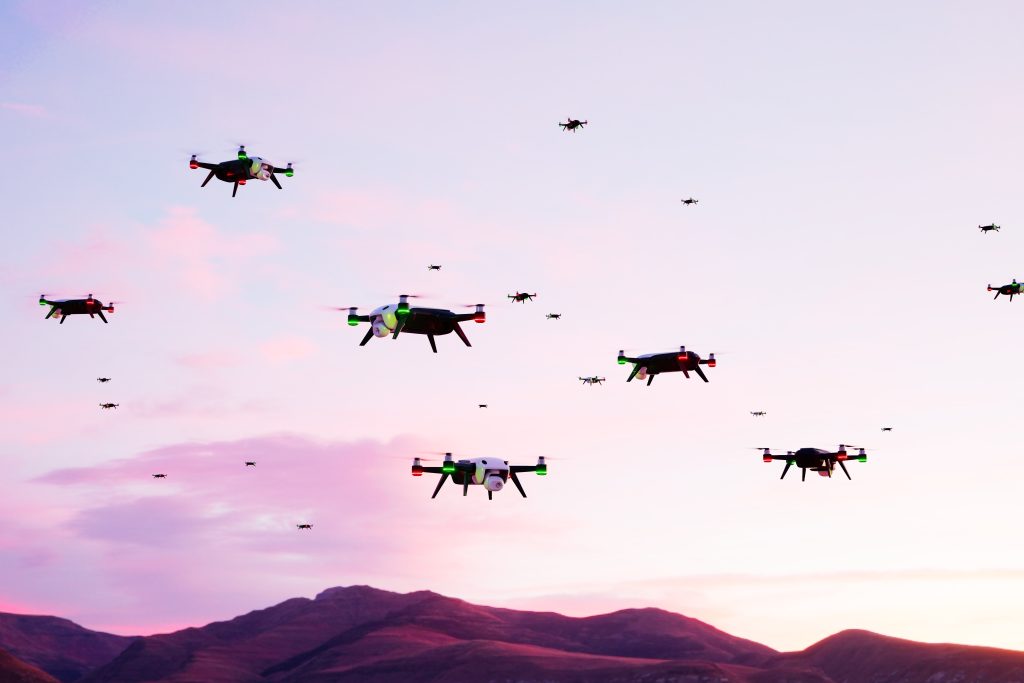
The location problem resolved immediately. With every drone tagged in FireFlight and its current assignment tracked in the system, the hours spent locating drones between sites stopped. The operations team knew where every asset was before anyone needed to ask. Project starts no longer depended on finding equipment that should have been at the site already.
Proactive maintenance replaced reactive repair. Alerts arriving before service intervals were reached gave the team time to schedule battery replacements, sensor calibrations, and software updates before the drone was needed for the next flight. The mid-flight failure mode that had cost SkySurvey operational credibility with clients became a manageable risk rather than an expected occurrence.
- Drone location uncertainty dropped to near zero after real-time asset tracking went live. Equipment that had previously been located by phone calls was confirmed in the system before the project team needed to ask.
- Maintenance-related flight failures decreased as scheduled alerts replaced the informal service intervals that had been allowing avoidable component failures.
- Client deliverables for survey and inspection projects were supported by documented sensor calibration records pulled directly from FireFlight, rather than assembled from technician notes after the fact.
- Per-project profitability became a confirmed figure as drone maintenance costs, component replacements, and operational overhead were attributed to the specific assets and projects they belonged to.
- Scheduling predictability improved as project managers saw equipment availability and maintenance status in their dashboards before committing to client timelines.
What we learned from this deployment
Drone fleet management sits at an unusual intersection of asset tracking and maintenance management. Each drone is not just an asset to locate. It is a piece of equipment with components that degrade on independent schedules: the battery tracks cycle counts, the sensors track calibration intervals, the airframe tracks flight hours. A maintenance system that tracks any single trigger misses the service needs governed by the others. FireFlight's multi-trigger maintenance scheduling handles all three simultaneously per component, not just per drone.
The insight that applies to any fleet operation managing assets with multiple maintenance triggers: the failure that grounded SkySurvey's drones was not caused by unknown maintenance needs. It was caused by known maintenance needs that were not tracked against the right trigger. A battery that was current on calendar date but over cycle count was not flagged because the calendar trigger was the only one being checked. FireFlight's ability to configure alerts by flight hours, cycle count, and calendar date simultaneously means each component is flagged when any one of its service thresholds is reached, not just the one someone remembered to monitor.
The per-drone cost tracking insight from this deployment applies to any equipment fleet where individual assets have highly variable maintenance costs. In a drone fleet, one drone might run consistent low-cost maintenance while another accumulates repair costs that make it unprofitable to operate on certain project types. Without per-asset cost tracking, both drones look the same in a project estimate. With it, the assignment decision can account for actual operational cost rather than assumed average cost.
Deployments for drone fleet operations covering asset tracking, multi-trigger maintenance scheduling, and per-project cost consolidation are completed in weeks, not months. The configuration built for SkySurvey Solutions applies directly to any commercial fleet operation where individual assets have independent maintenance schedules and costs that need to be attributed to specific client projects.
Frequently asked questions
Can FireFlight track individual drones, batteries, and sensors across multiple project sites simultaneously?
Can FireFlight track individual drones, batteries, and sensors across multiple project sites simultaneously?
How does FireFlight schedule maintenance for drone fleets based on flight hours, battery cycles, and calendar intervals?
How does FireFlight schedule maintenance for drone fleets based on flight hours, battery cycles, and calendar intervals?
Can FireFlight prevent mid-flight failures through proactive maintenance alerting?
Can FireFlight prevent mid-flight failures through proactive maintenance alerting?
How does FireFlight track costs per drone and per project for profitability analysis?
How does FireFlight track costs per drone and per project for profitability analysis?
Can field operators update drone status and maintenance logs from mobile devices at remote sites?
Can field operators update drone status and maintenance logs from mobile devices at remote sites?
Can FireFlight track drone-specific data like payload configurations, environmental conditions, and software versions?
Can FireFlight track drone-specific data like payload configurations, environmental conditions, and software versions?
How long does a FireFlight deployment take for a drone fleet management operation?
How long does a FireFlight deployment take for a drone fleet management operation?
The company name in this use case has been changed to protect client information. The operational scenario and outcomes described represent a documented FireFlight deployment.