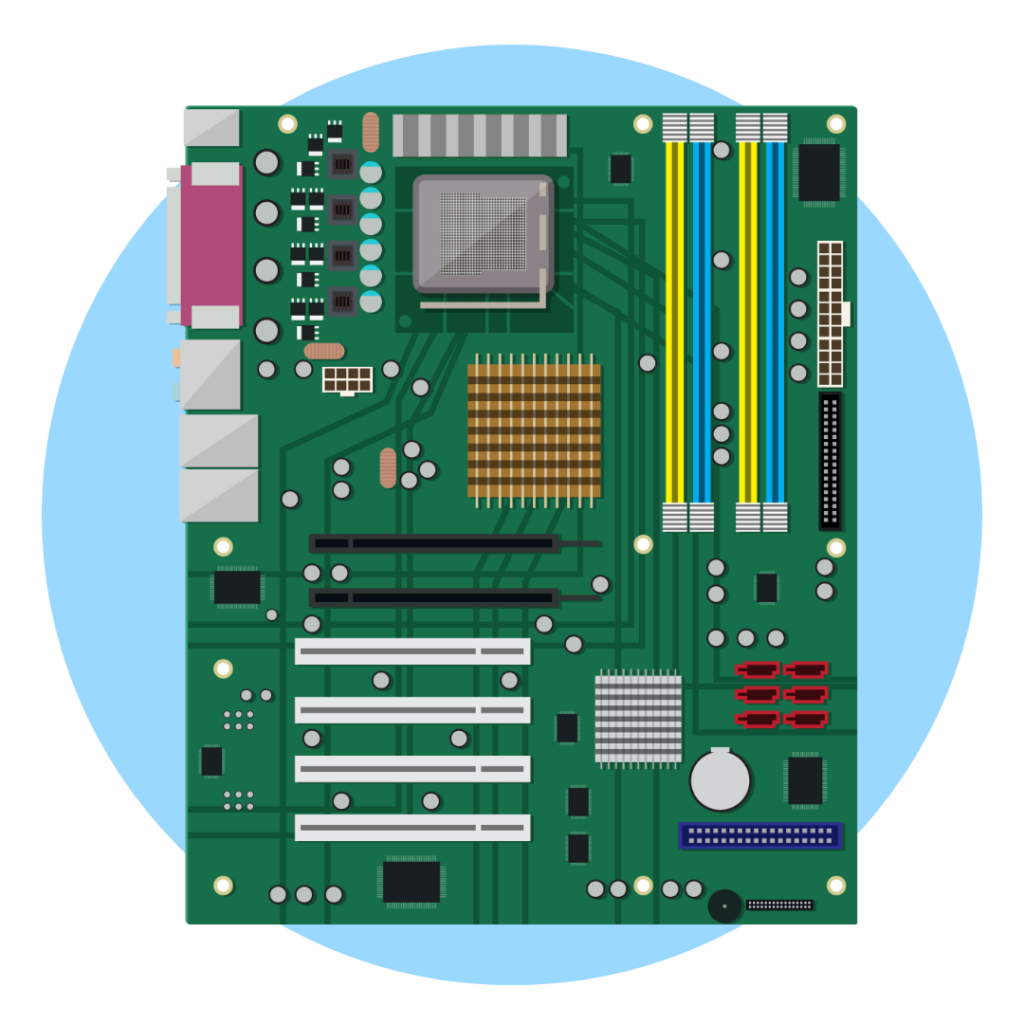

Material Requirements Planning: the right materials, present before production needs them
A production line that stops because a component did not arrive on time is a planning failure, not a supply chain failure. This app calculates net material requirements from real demand and forecast data, accounts for lead times at the component level, generates purchase orders before shortages occur, plus keeps every planning decision in an auditable log.
Yes. The MRP app calculates time-phased net requirements from actual demand plus forecast data, accounts for lead times at each BOM level, generates purchase order suggestions before shortages occur, plus flags exceptions when the plan cannot be met with current supplier lead times. Operations running high-volume production report eliminating 90% of material shortages after deployment. Deployments take weeks, not months.

Production teams in 2026 that plan material needs from a spreadsheet and a gut feel are discovering shortages the day the line stops rather than three weeks before it would have. See how time-phased MRP looks against your actual BOM structure on a live FireFlight dataset.
Request a Live Demo Contact UsWhy do material shortages keep hitting production lines that plan ahead?
Planning ahead on a spreadsheet means planning with data that is already stale. A forecast built Monday morning does not reflect the purchase order that came in Tuesday afternoon or the inventory adjustment from the cycle count that ran Thursday. By the time a production planner runs the next material review, the numbers they are working from do not match the numbers the warehouse is actually holding. The shortage was there in the data the whole time. Nobody saw it because the calculation ran on last week's snapshot.
Multi-level BOMs compound the problem in a way that spreadsheet planning cannot handle well. A finished goods shortage is obvious. A shortage on a sub-component three levels down in the BOM is not obvious until the assembly that uses it cannot be completed, which is only apparent when the line is already stopped. Manual BOM explosion is time-consuming enough that planners do it infrequently, which means the lower-level requirements stay invisible until the production schedule forces them into view at exactly the wrong time.
Lead time variability is the third failure point. A reorder point calculation that assumes a 14-day lead time from a supplier who currently runs 21 days generates a purchase order too late on every cycle. The planner who knows lead times have stretched updates their personal spreadsheet. The system keeps using the old number. The gap between what the system believes and what is operationally true widens with every order cycle until a shortage makes it visible.
How does the app calculate what needs to be ordered before the line knows it needs it?
The MRP calculation in FireFlight runs against live inventory balances, open purchase orders, confirmed production schedules, plus current demand forecast data simultaneously. It is not a periodic batch job run once a week. When a new sales order hits or a purchase order is received, the requirements calculation reflects the change. A planner checking material coverage on Wednesday afternoon sees numbers that include the order that came in Wednesday morning, not a summary from the last batch run.
BOM explosion runs to all levels. When the system calculates requirements for a finished assembly, it follows the BOM down through every sub-assembly and purchased component at every level, offsetting each requirement backward by that component's current lead time. The output is a time-phased picture of what needs to be ordered, when the order needs to be placed to meet the production date, plus which items are already at risk given current lead times. Exception reporting surfaces only the items that need attention rather than requiring the planner to review the full requirements list to find the problems.
On-screen overrides let planners adjust the system's suggestions before purchase orders are generated. A planner who knows a supplier is running long can change the lead time for that supplier directly in the planning screen. The system recalculates affected requirements immediately. Every override is logged with the user, the timestamp, plus the original system value so the audit trail reflects both what the system recommended and what the planner chose.
What apps does Material Requirements Planning connect to?
MRP is only as accurate as the data it runs against. These connections mean the calculation uses live inventory balances, current supplier records, plus actual demand data rather than yesterday's export.


Planning data that cannot be altered without a trace
FireFlight is hosted by Phoenix Consultants Group on infrastructure PCG owns and manages directly. Your MRP calculations, planning override history, BOM structures, plus procurement schedule records are stored on PCG-controlled infrastructure with no dependency on a third-party vendor's uptime. PCG has managed its own hosting environment since 1995.
Every planning override carries a user stamp, a timestamp, plus the original system-calculated value alongside the planner's adjustment. Role-based access means a production planner can view and override their own material requirements, a supply chain manager sees the full planning run across all product lines, plus a finance lead sees the cost implications of the current plan without access to override planning decisions. The audit log is permanent and cannot be deleted from the record.
What does Material Requirements Planning give your team?
-
 Time-phased material planning from live demand plus forecast data. When a new sales order arrives or inventory is adjusted, the requirements calculation reflects that change immediately. The plan your team reviews this afternoon includes everything that moved this morning.
-
Automatic net requirements calculation after netting on-hand inventory and open orders. The system deducts what is already in stock plus what is already on order before calculating what still needs to be procured. Planners see what is genuinely short rather than gross requirements that ignore existing coverage.
-
Multi-level BOM explosion down to purchased components. Requirements cascade through every sub-assembly level in the BOM, offset by each component's current lead time. Lower-level shortages surface in the planning run, not when the assembly line hits them.
-
Purchase order suggestions generated from planning output. The MRP run produces a list of recommended purchase orders with quantities and required-by dates. Planners review, adjust if needed, plus release directly to the Purchase Orders module without rekeying the data.
-
Lead time and reorder point logic maintained at the component level. Each purchased item carries its own lead time record. When a supplier's lead time changes, updating that record immediately affects every future planning calculation that involves that component, not just the ones the planner thinks to adjust manually.
-
Exception reporting that surfaces only the items that need a decision. The system flags items where current lead times make it impossible to meet the required date, items approaching reorder points without an open purchase order, plus items where the plan has changed since the last review. Planners spend time on problems rather than on scanning a complete requirements list for issues.
-
On-screen overrides with immediate recalculation plus full audit trail. A planner who adjusts a lead time or overrides a suggested quantity sees the updated requirements immediately. The original system value and the override are both preserved in the planning log.
-
Full integration with purchasing and inventory so the plan stays connected to execution. Released orders land in the Purchase Orders module in the same step. When goods arrive and a receipt closes, the inventory update flows back into the next planning run without a manual sync step.
"We eliminated 90% of our material shortages by implementing MRP, and production never skipped a beat. The exceptions list tells us exactly where to focus each morning. Everything else runs."Supply Chain DirectorHigh-Volume Manufacturer
Supply chain questions that used to require a data analyst
In 2026, the supply chain managers who catch cost exposure before it becomes a production crisis are the ones interrogating their own live planning data rather than waiting for a weekly report. FireFlight's AI reporting layer runs directly against your MRP data. Which components have shown lead time growth of more than 20% over the last six months and currently have no safety stock buffer. Which suppliers are responsible for the highest percentage of exception flags across all planning runs this quarter. Which finished goods SKUs are most frequently generating emergency procurement because their BOM components were not covered by the regular planning run. Those questions go to the data your planning team is already generating every day, with no data analyst required to package them first.
Phoenix Consultants Group has been building custom manufacturing and operations software since 1995. The AI layer runs against the same planning database your team uses for MRP execution. PCG built it because the operations managers who need supply chain answers fastest are the ones least likely to have a dedicated analyst available when a production disruption is developing. Over 500 applications built across 31 years. The same people who built the software answer the phone when something needs adjusting.
What changes operationally after deploying this app?
-
Material shortages surface three to four weeks before they would stop production rather than the day the line is already waiting. The time-phased calculation shows the gap while there is still time to expedite or substitute.
-
Excess inventory stops accumulating because procurement quantities are calculated from actual net requirements rather than from round-number reorder quantities a planner set years ago and nobody has revisited.
-
Lower-level BOM component shortages get caught in the planning run rather than at the assembly station. A sub-component that was short shows up as an exception before the finished goods build starts rather than after materials have been kitted.
-
Supplier lead time changes get reflected in procurement timing the same day they are updated rather than living in a planner's personal notes while the system keeps generating late purchase orders.
-
Planning decisions become auditable. When a supply chain audit or a production post-mortem asks why a particular purchase order was placed late or why a quantity differed from the system suggestion, the planning log shows the exact override, who made it, plus what the system had originally recommended.

New planners read the MRP output correctly from day one
Ikhana walks every planner through the MRP screen directly as they use it. What each column in the time-phased requirements view means. How to read an exception flag. Where to override a lead time without affecting the underlying supplier record. A planner running their first MRP review in FireFlight completes it without a separate training session before they touch the system.
Learn more about IkhanaFrequently Asked Questions
How many BOM levels does the MRP calculation handle?
How many BOM levels does the MRP calculation handle?
Can planners override MRP suggestions without affecting the underlying system parameters?
Can planners override MRP suggestions without affecting the underlying system parameters?
How does the app handle components that are shared across multiple finished goods BOMs?
How does the app handle components that are shared across multiple finished goods BOMs?
Does MRP use forecast data, actual orders, or both?
Does MRP use forecast data, actual orders, or both?
How does exception reporting work and what triggers an exception flag?
How does exception reporting work and what triggers an exception flag?
Can MRP generate purchase orders automatically or does a planner always review first?
Can MRP generate purchase orders automatically or does a planner always review first?
How long does MRP deployment take for a manufacturer currently planning from spreadsheets?
How long does MRP deployment take for a manufacturer currently planning from spreadsheets?

Phoenix Consultants Group. Founded 1995. FireFlight Data Systems is a proprietary platform developed and hosted by PCG. Page last reviewed May 2026.