Aquaculture Equipment Management: How a Multi-Farm Operation Stopped Losing Equipment and Started Preventing Failures
If your operation manages equipment or parts across multiple remote locations and your team still calls around to find what is available, FireFlight was built for exactly this situation.
Schedule your free consultation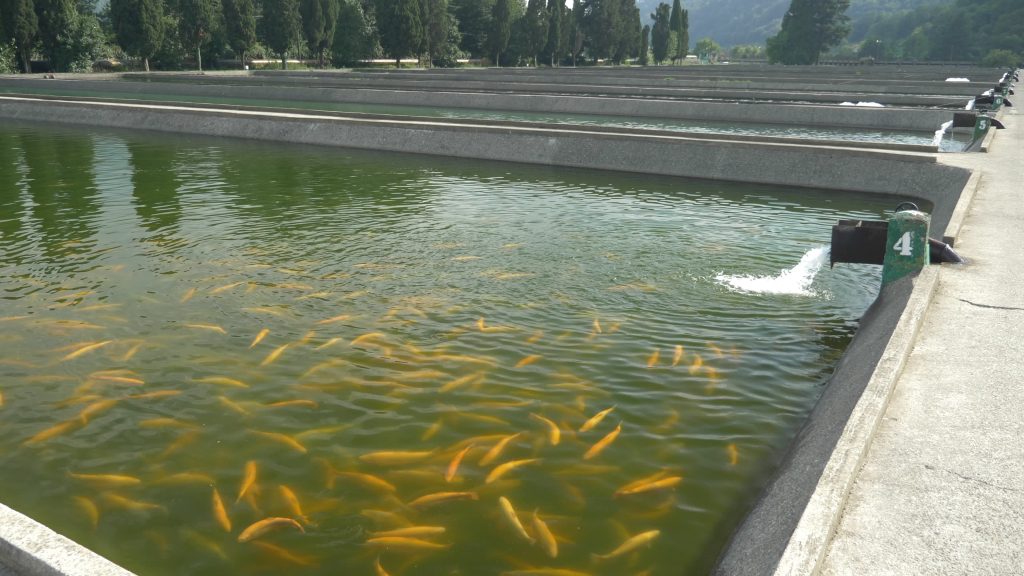
What was the problem before FireFlight?
Aquaculture equipment does not fail conveniently. A pump that goes down at a remote farm site at the wrong moment is not a delay. In operations where dissolved oxygen levels depend on that pump running, it is a potential stock loss event. AquaTech Supplies was running that risk every day because nobody could confirm in real time which equipment was where, what its service history was, or whether a replacement was on site.
The spreadsheet system had no way to handle the complexity. Each farm had different equipment configurations, different calibration intervals for sensors, different pump hours before service was required. A single spreadsheet tracking all of it was never accurate for more than a few days before updates from one farm overwrote or contradicted data from another. Farm managers stopped trusting it and started calling instead.
The maintenance problem compounded the inventory problem. Without a central schedule, preventive maintenance happened when someone remembered to do it. In 2026, aquaculture operators running reactive maintenance on life-critical equipment are absorbing preventable losses. The cost is not labor hours. It is the stock those systems were keeping alive.
Spreadsheets have no audit trail for equipment maintenance history or calibration records. For aquaculture operations subject to environmental permits and water quality monitoring requirements, missing documentation for sensor calibrations or equipment service is not just an operational gap. It is a compliance exposure that survives the equipment failure itself.
What FireFlight was configured to handle
The deployment covered equipment tagging and tracking across all farm sites, site-specific module configuration for each farm's unique equipment setup, preventive maintenance scheduling by equipment type and service interval, and mobile access for technicians working in the field. Configuration was completed in weeks, not months, with each farm's specific calibration schedules and maintenance windows built in before go-live.
 Equipment Tracking Across All Farm Sites
Every pump, sensor, filter, and feeding system tagged and tracked in a single live record. A technician at any farm can confirm what is available at any other farm without a phone call.
Preventive Maintenance Scheduling
Maintenance windows scheduled by equipment hours, calendar interval, or condition threshold. Alerts fire before a service window is missed. Breakdown response is replaced by scheduled work with parts confirmed on site.
Site-Specific Module Configuration
Each farm configured independently. Calibration schedules, pump hour intervals, and feeding cycle tracking are set per site based on that farm's specific equipment. One farm's setup does not affect another.
Mobile Access for Field Technicians
Technicians update maintenance logs and equipment records from phones or tablets at the farm site. Records are visible to all locations immediately. No re-entry required when returning to the office.
Inventory Visibility and Stock Allocation
Parts and replacement equipment tracked by location. Management can see which farms are overstocked and which are running low, and reallocate before a shortage becomes a failure.
Per-Farm Dashboard Alerts
Each farm manager logs in to a dashboard showing equipment status, upcoming maintenance windows, and inventory levels for their location. No calls required to get a current picture of site readiness.
What changed after deployment
The shift from reactive to preventive was immediate. Within the first months after go-live, the operations team was scheduling maintenance against confirmed equipment records rather than responding to failures that had already happened. Farm managers stopped calling the central office to ask whether a replacement pump or sensor was available. They checked the dashboard.
The frantic calls that had consumed the operations team's mornings did not gradually reduce. They stopped.
- Equipment downtime dropped because maintenance was scheduled before failures occurred, not after. Technicians arrived at farm sites with the right parts confirmed before they left the warehouse.
- Stock allocation across farms became visible and manageable. Sites that had duplicate equipment sitting unused were identified. Sites running short were restocked before a shortage became an emergency.
- Technicians spent their time servicing farms rather than tracking down equipment or completing paperwork at the end of the day. Mobile field updates eliminated the re-entry step entirely.
- Management's operating posture changed from crisis response to forward planning. Upcoming maintenance windows, parts requirements, and site readiness were visible weeks in advance rather than discovered on the day.
The calibration and maintenance records that previously existed in scattered spreadsheets, or not at all, accumulated automatically in FireFlight as technicians completed work. Within two months of go-live, the operation had a complete equipment history that had never existed before. That history is the foundation for every compliance documentation request, every equipment replacement decision, and every maintenance budget conversation going forward.
What we learned from this deployment
Aquaculture is one of the few industries where equipment management is directly coupled to biological outcomes. A sensor that goes out of calibration does not produce a bad report. It misrepresents the water conditions keeping stock alive. A pump that fails without a replacement on site does not create a delay. It creates a mortality event.
The insight that applies beyond aquaculture: when equipment failure has biological or safety consequences, the entire cost model for preventive maintenance changes. The question is not whether scheduled maintenance is worth the labor cost. It is whether the next failure event, with no replacement confirmed on site and no service history to diagnose from, costs more than the full deployment. In aquaculture, that answer is obvious. In any operation where downtime destroys output rather than just delaying it, the math is the same.
The second thing this deployment confirmed is that remote, multi-site operations accumulate invisible risk in their equipment records. Not because staff are careless, but because spreadsheets cannot hold the complexity of multiple farms with different equipment, different calibration schedules, and different service histories updated by different people. FireFlight did not just organize what already existed. It captured data that was never being recorded.
Deployments covering multi-site equipment management, preventive maintenance scheduling, and mobile field updates are completed in weeks, not months. The configuration built for AquaTech Supplies is directly applicable to any operation managing life-critical or production-critical equipment across more than one location.
Frequently asked questions
 Can FireFlight track aquaculture equipment across multiple farm locations at the same time?
Can FireFlight track aquaculture equipment across multiple farm locations at the same time?
Can FireFlight be configured differently for each farm location with different equipment setups?
Can FireFlight be configured differently for each farm location with different equipment setups?
Does FireFlight send alerts before equipment fails, or only after a breakdown is reported?
Does FireFlight send alerts before equipment fails, or only after a breakdown is reported?
Can field technicians update equipment records and maintenance logs from mobile devices in the field?
Can field technicians update equipment records and maintenance logs from mobile devices in the field?
How does FireFlight handle preventive maintenance scheduling for equipment with different service intervals?
How does FireFlight handle preventive maintenance scheduling for equipment with different service intervals?
How long does a FireFlight deployment take for a multi-farm equipment management operation?
How long does a FireFlight deployment take for a multi-farm equipment management operation?
What happens to equipment tracking data when a technician leaves or changes farm assignments?
What happens to equipment tracking data when a technician leaves or changes farm assignments?

¹ Global aquaculture equipment market projected at 4.8% CAGR through 2030, driven by intensification of land-based recirculating aquaculture systems (RAS) and regulatory pressure on water quality monitoring. Source: Grand View Research, Aquaculture Equipment Market Report, 2025.
The company name in this use case has been changed to protect client information. The operational scenario and outcomes described represent a documented FireFlight deployment.