

Custom Bicycle Manufacturing: How Velocity Cycles Eliminated Assembly Delays and Started Tracking Profit Per Bike
If your custom manufacturing operation is tracking components in spreadsheets, quoting from cost estimates rather than actual data, and absorbing assembly delays from parts that were never confirmed in stock, FireFlight was built for exactly this situation.
Schedule your free consultationWhat was the problem before FireFlight?
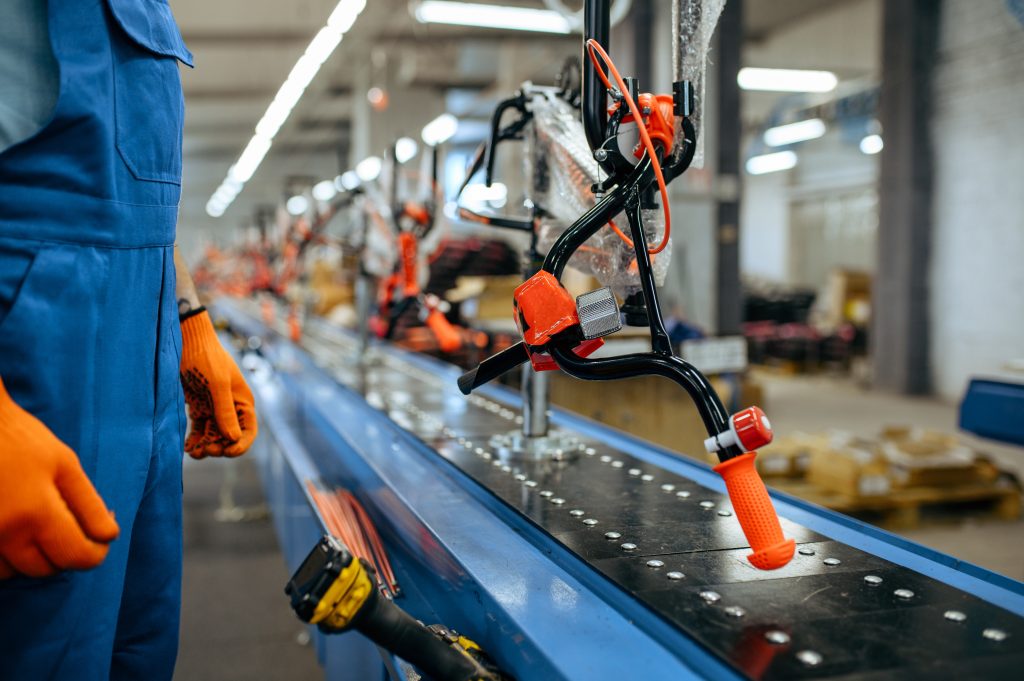
Every Velocity Cycles bicycle is built to a single customer's specification. Custom frames, components selected to the rider's preference, finishes chosen from a catalog that runs into the hundreds of combinations. That level of customization means no two builds share an identical parts list, and no inventory prediction model works cleanly when the inputs change with every order. Velocity was managing that complexity in spreadsheets, and the spreadsheets could not keep pace.
Assembly line bottlenecks came from a predictable cause: a single missing component stops production on that specific bike entirely. In batch manufacturing, a shortage delays a production run and other runs continue. In custom single-unit manufacturing, a missing part delays a specific customer's order for as long as it takes to source what is missing. Velocity was discovering those shortages at the assembly station, not upstream where there was still time to act.
The financial picture was equally fragmented. Labor costs were tracked separately from materials. Shipping charges from international suppliers were not consistently attributed to specific builds. Overhead was distributed as an estimate rather than a tracked cost. The actual margin on any given bike was not knowable until well after it shipped, if at all. Pricing decisions were based on historical averages rather than the confirmed cost of each specific configuration.
Custom manufacturing with no per-unit cost attribution has a specific delivery risk that generic cost tracking misses. A custom bicycle built to a customer's personal specification cannot be resold if it misses its delivery date. The customer waited weeks or months for a build designed around their requirements. When a missing component delays that order, the cost is not just the expedited shipping to source the part. It is the customer relationship built on a promise that the delivery system could not confirm was achievable.
What FireFlight was configured to handle
The deployment covered per-component inventory tracking from supplier delivery through each assembly stage, real-time assembly progress monitoring per build, cost consolidation across labor, materials, shipping, and overhead per bike, customer order integration with specification and delivery tracking, demand forecasting and scenario planning for parts procurement, and assembly tool maintenance scheduling. Configuration was completed in weeks, not months.
 Component Inventory from Supplier to Assembly
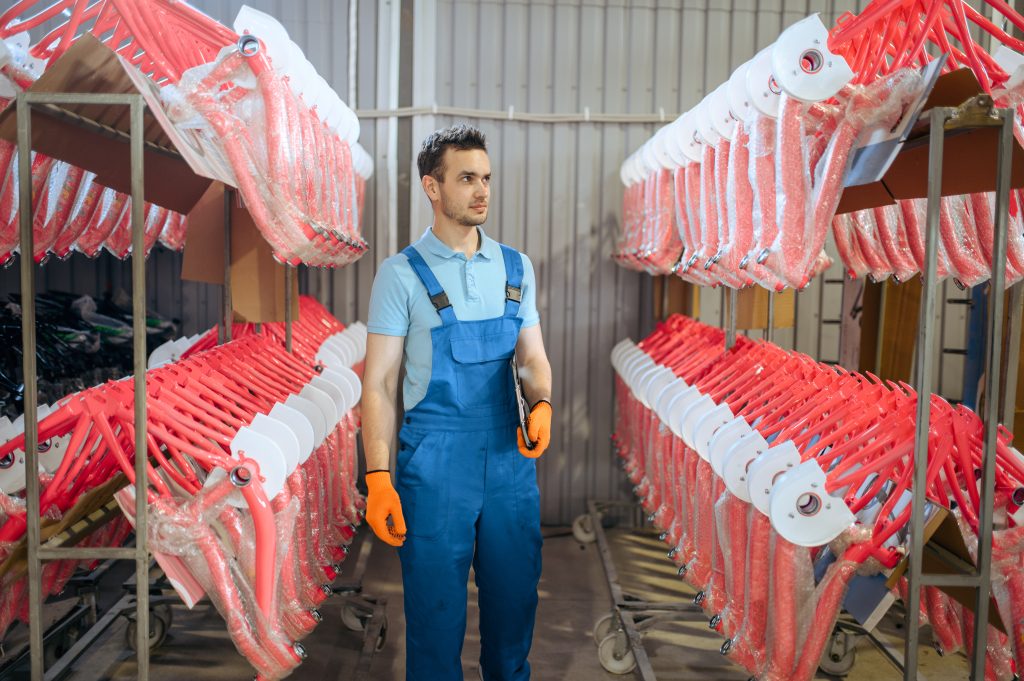
Every component tracked from supplier arrival through each assembly stage to the finished bicycle. Parts tied to the specific build they belong to. Shortages flagged in the system before the assembly team discovers the gap at the workstation.
Real-Time Assembly Stage Monitoring
Each bike's assembly stages tracked in real time. Managers see which builds are progressing on schedule and which are stalled, with the specific reason visible in the system. Bottlenecks identified proactively rather than discovered when production stops.
Per-Bike Cost and Profitability Tracking
Labor hours, component costs, international shipping, domestic freight, and overhead all consolidated against the individual build. The margin on each bike is visible as costs accumulate, not estimated from averages after the order ships.
Customer Order Integration
Each customer order linked directly to its build in FireFlight. Frame specifications, component selections, finish details, and delivery requirements travel with the order through every production stage. Assembly staff see the specifications for their stage without referencing a separate system.
Demand Forecasting and Scenario Planning
Historical order patterns analyzed across component categories even when individual builds are unique. Frequently-used parts forecasted and stocked proactively. Scenario planning lets management simulate sourcing changes, schedule shifts, and inventory allocation before committing.
Assembly Tool and Equipment Maintenance
Assembly tools and machinery tracked with scheduled maintenance windows. Maintenance alerts fire before equipment failure creates unplanned downtime. Repair history logged per tool, giving management visibility into which equipment has been a recurring source of production interruptions.
What changed after deployment
Assembly delays from missing components dropped after FireFlight went live. The change was structural: shortages that had previously been discovered at the assembly station were now visible upstream, when there was still time to expedite, substitute, or adjust the delivery commitment. The delivery failure mode did not disappear overnight, but its cause shifted from discovery to decision. The team had options instead of a stopped production line.
Per-bike profitability became real data for the first time. Configurations that had appeared profitable based on average cost estimates were confirmed. Others revealed that international component sourcing, special finish processing, or labor-intensive assembly stages were consuming more margin than the pricing model had assumed. Velocity's pricing decisions moved from historical averages to confirmed per-unit costs.
- Assembly delays from missing components dropped as inventory shortages surfaced in FireFlight before reaching the production floor, giving the team lead time to act rather than react.
- Part shortages and overstock reduced as demand forecasting identified which components appeared consistently across custom configurations, enabling proactive procurement rather than purely reactive purchasing.
- Customer delivery performance improved as order-linked component tracking gave the team a confirmed view of build readiness before each production start date.
- Per-bike profitability became a confirmed number rather than an estimate. Labor, materials, international shipping, and overhead consolidated against each specific build rather than distributed as category averages.
- Pricing accuracy improved for complex configurations as actual cost data replaced historical averages. Configurations with high international sourcing costs or labor-intensive finishes were priced correctly rather than underpriced based on simpler build averages.
What we learned from this deployment
When every unit is unique, the cost attribution problem is more acute than in production-run manufacturing. A production run of identical items can absorb cost averaging across the batch. A single custom bicycle cannot. The actual cost of that bike is what was spent on that specific frame, those specific components, that specific finish, and the labor hours that built it. Without per-unit cost tracking, pricing for custom products is based on estimation rather than measurement.
The insight that carries to any custom manufacturing operation: the bottleneck problem in single-unit custom manufacturing is structurally different from the bottleneck problem in batch manufacturing. In a batch run, a missing component delays that run while other runs continue. In custom single-unit manufacturing, a missing component halts a specific customer's order for the full sourcing lead time of that part, with no substitute available because the specification does not allow substitution. The only way to prevent that outcome is to confirm component availability before the build is scheduled, not when the assembly team needs the part. FireFlight moves that confirmation upstream to where it can still change the outcome.
The second thing this deployment confirmed is that demand forecasting works even when every configuration is unique. The components that Velocity used most frequently across their custom builds, specific bearing types, drivetrain families, and tubing sizes, appeared in enough configurations that historical usage patterns were meaningful predictors of future demand. FireFlight identified those patterns and put procurement ahead of the build schedule for the first time.
Deployments for custom build-to-order manufacturing covering per-unit cost tracking, assembly stage monitoring, and supplier lead time management are completed in weeks, not months. The configuration built for Velocity Cycles applies directly to any manufacturer building unique products to customer specifications from a multi-supplier parts base.
Frequently asked questions
Can FireFlight track individual bicycle components from supplier delivery through each assembly stage?
Can FireFlight track individual bicycle components from supplier delivery through each assembly stage?
How does FireFlight handle cost tracking across labor, materials, shipping, and overhead for custom builds?
How does FireFlight handle cost tracking across labor, materials, shipping, and overhead for custom builds?
Can FireFlight identify assembly bottlenecks in real time before they halt production?
Can FireFlight identify assembly bottlenecks in real time before they halt production?
How does FireFlight manage custom specifications for build-to-order bicycles?
How does FireFlight manage custom specifications for build-to-order bicycles?
Can FireFlight forecast demand for specific parts when every bicycle configuration is unique?
Can FireFlight forecast demand for specific parts when every bicycle configuration is unique?
How does FireFlight handle international supplier lead times for custom bicycle components?
How does FireFlight handle international supplier lead times for custom bicycle components?
How long does a FireFlight deployment take for a custom manufacturing operation like Velocity Cycles?
How long does a FireFlight deployment take for a custom manufacturing operation like Velocity Cycles?

The company name in this use case has been changed to protect client information. The operational scenario and outcomes described represent a documented FireFlight deployment.