
Industrial Drill Bit Leasing and Maintenance: How Titan Drill Eliminated Lost Equipment and Recovered Revenue Across 25 Warehouses
If your equipment leasing operation tracks high-value assets across multiple warehouse locations in disconnected systems and cannot confirm the location of any specific item without calling around to find it, FireFlight was built for exactly this situation.
Schedule your free consultationWhat was the problem before FireFlight?
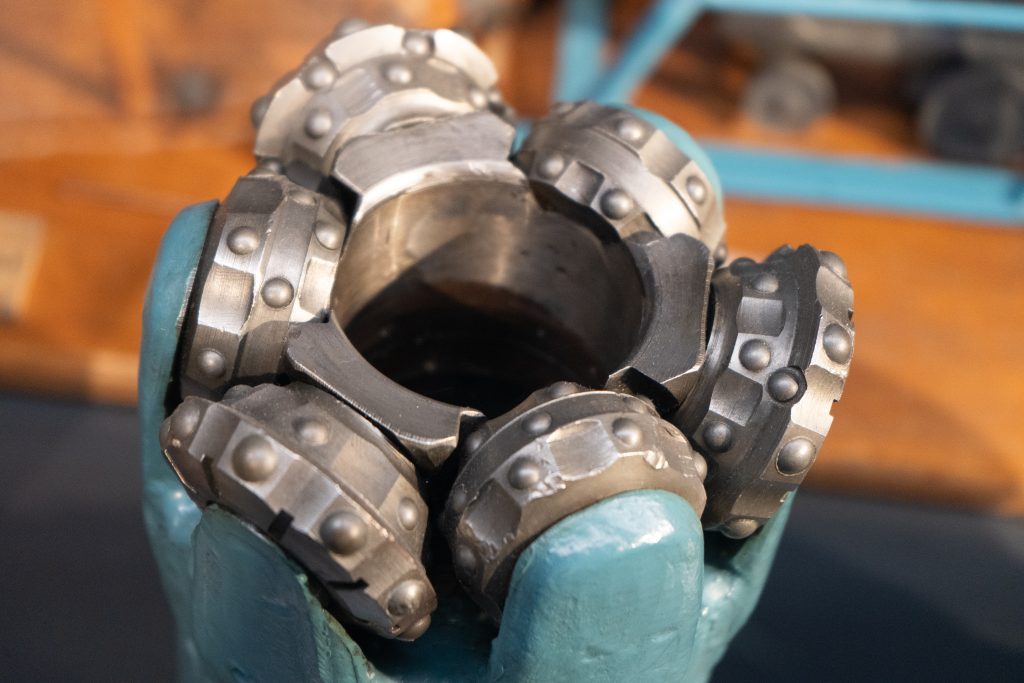
Titan Drill Solutions leases specialized drill bits that are not interchangeable. Each bit is customized for the specific equipment and drilling requirements of a particular client. An oil platform operating in one geological formation needs a different bit configuration than a mining operation in a different material, and neither bit is a substitute for the other. Tracking which bit belonged to which client, where it was in the leasing cycle, and whether it was due for maintenance required a level of per-asset visibility that spreadsheets across 25 warehouses could not provide.
Warehouse staff could not reliably locate bits needed for specific clients. When a client requested a particular configuration, finding the right bit required searching through warehouse records that were not synchronized across locations. Maintenance schedules were managed informally, which meant bits returned from active deployment were not consistently inspected and serviced before their next assignment. Critical clients experienced downtime waiting for equipment that was available in the network but not findable or not confirmed as service-ready.
Financial visibility was equally fragmented. Revenue, maintenance costs, shipping expenses, and refurbishment charges were tracked across separate systems that nobody had connected. The margin on any specific client account was a calculation that required manual assembly from multiple sources, which meant it was rarely done until a client contract came up for renewal or a dispute forced the issue.
The offshore incident that forced the decision
A high-value, customized drill bit went missing on an offshore oil platform. The bit had been logged out of a warehouse and shipped to the platform, but the platform's records and the warehouse records were not connected in any system. Without a centralized tracking record, determining where the bit was required calling the platform, the shipping company, and multiple warehouse locations.
The search took weeks. During that time, the client's drilling operation was delayed waiting for either the original bit or a confirmed replacement. The cost of the delay to the client and the reputational cost to Titan Drill made the decision clear: continuing with disconnected spreadsheets was no longer acceptable for an operation where missing a single piece of equipment had consequences measured in weeks and significant revenue.
Industrial equipment leasing without per-asset tracking carries a financial exposure that compounds with every unlocated item. A drill bit that cannot be located is a leased asset generating no revenue while simultaneously incurring storage, insurance, and opportunity costs. For specialized equipment that cannot be quickly replaced from standard stock, the cost of being unable to fulfill a client order because the right bit is somewhere in a 25-warehouse network without a confirmed location is the combined cost of the emergency response and the client relationship impact. FireFlight's unique identifier and real-time status tracking make that scenario preventable rather than inevitable.
What FireFlight was configured to handle
The deployment covered unique identifier tracking for every drill bit tied to client, location, bit type, and status, full inventory integration across all 25 warehouses replacing disconnected spreadsheets, maintenance scheduling and work order management per bit, strategic placement optimization based on client usage patterns, per-client financial consolidation, tool and equipment assignment for maintenance teams, and real-time dashboards for executives and operations managers. Configuration was completed in weeks, not months.
 Unique Bit Tracking with Real-Time Location
Every drill bit assigned a unique identifier tied to client, location, bit type, and current status. Real-time updates reflect whether a bit is in warehouse storage, in transit to a client site, actively deployed, or undergoing maintenance. The question of where any specific bit is has an answer in the system.
Consolidated 25-Warehouse InventoryData from all 25 warehouses integrated into a single authoritative record. Warehouse staff confirm bit availability and location across the full network without calling other locations. The disconnected spreadsheets that had made cross-warehouse visibility impossible are replaced by one system all locations write to simultaneously.
Maintenance Scheduling and Work OrdersPreventive maintenance scheduled per bit based on usage hours and condition thresholds. Work orders log specific parts replaced, labor performed, costs incurred, and technician responsible. Complete maintenance history per bit supports warranty management and client documentation requests.
Strategic Bit Positioning and AllocationUsage pattern analysis positions specific bit types closer to the clients who use them most frequently. Transit time reduces, shipping costs fall, and lease utilization increases when the right bit starts closer to where it is needed. The scenario engine tests alternative positioning strategies before any inventory moves.
Per-Client Financial ConsolidationLease revenue, maintenance costs, shipping expenses, and refurbishment charges attributed to the specific client and the specific bit that generated them. Profit margin visible per client, per warehouse location, and company-wide in real time without manual compilation from separate systems.
Tool and Equipment AssignmentSpecialized maintenance tools including torque equipment, shakers, and service tooling assigned to specific workers and jobs. Usage tracked throughout the assignment. Maintenance team accountability maintained in the system rather than through informal agreements that disappear when staff changes.
Scenario Planning for Allocation and LogisticsManagement simulates different bit positioning, shipping, and maintenance strategies before committing. The cost and lead time impact of repositioning inventory, changing maintenance cycles, or adjusting allocation to a new client are visible in the scenario engine before any resources move.
Real-Time DashboardsExecutives and operations managers see inventory levels, equipment status, lease utilization, maintenance schedules, and financial performance across all 25 locations simultaneously. Every dashboard updates in real time as events occur. No status report requests required to get a current operational picture.

What changed after deployment
The revenue recovery result was the first visible financial return. Once FireFlight had mapped every bit across all 25 warehouses, bits that had been written off as lost were located. Some were in warehouses where they had been miscategorized. Others were at client sites where the return record had not been created. The recovered asset value in the first months after go-live represented a direct return on the deployment that the finance team had not anticipated as a line item.
Lease utilization improved as strategic positioning moved the right bit types closer to the clients who needed them most often. Transit time between a warehouse and a client site determines how quickly a returned and refurbished bit can be back in the field generating lease revenue. Shorter routes and pre-positioned inventory meant more days in productive use per bit per year.
- Lost inventory was eliminated. Bits and parts that had been untracked across 25 warehouses were fully accounted for, and previously written-off assets were located and returned to productive inventory.
- Revenue increased as recovered bits re-entered the lease pool and strategic positioning increased the number of days each bit was actively leased rather than sitting in a warehouse waiting for a matching client request.
- Maintenance downtime for critical clients dropped as scheduled preventive maintenance replaced the informal, inconsistent service intervals that had been allowing avoidable equipment failures before assignments.
- Per-client profitability became a confirmed number. Lease revenue, maintenance, and shipping costs attributed per client showed which accounts were delivering margin and which needed pricing or service model adjustment.
- The offshore incident scenario that had triggered the decision became preventable. With every bit in a real-time tracking system, the question of where a specific bit was had an answer before a client ever had to ask.
- Operations teams across all 25 warehouse locations worked from the same system, eliminating the duplication of effort and the contradictory records that had made cross-warehouse coordination unreliable.
What we learned from this deployment
The offshore incident revealed a specific exposure in specialized equipment leasing that standard asset tracking tools are not built for: when leased equipment is customized for a specific client's application and deployed at a remote site with no substitute available, the cost of not knowing where it is does not stop accumulating until the item is found. Every day the bit was unlocated was another day the client's operation was delayed, another day Titan Drill was absorbing the relationship cost of an unresolved situation, and another day the asset was generating no lease revenue despite remaining in the company's possession.
The insight that applies to any industrial equipment leasing operation: revenue recovery from previously written-off assets is often the first and most immediate financial return from a tracking deployment. Titan Drill had been writing off missing bits as an operational cost of doing business in a 25-warehouse network with disconnected records. That write-off policy treated asset loss as inevitable rather than preventable. FireFlight's inventory mapping made the loss visible and, in the first months after deployment, recoverable. Operations that budget for equipment loss as a fixed cost are budgeting for a problem that tracking infrastructure eliminates.
The second confirmed insight: lease utilization is a function of positioning as much as fleet size. A bit that is the right configuration for a client but sitting in a warehouse 1,500 miles away generates no revenue until it arrives. FireFlight's usage pattern analysis identified which bit types were consistently in demand near which client clusters, and the resulting repositioning increased revenue per bit without adding a single new bit to the fleet. For equipment leasing operations, the question of where assets are positioned is as important a financial lever as how many assets are owned.
Deployments for industrial equipment leasing operations covering unique asset tracking, maintenance scheduling, per-client financial consolidation, and multi-warehouse inventory integration are completed in weeks, not months. The configuration built for Titan Drill Solutions applies directly to any leasing operation managing high-value specialized equipment across multiple warehouse locations with per-client maintenance and financial tracking requirements.
Frequently asked questions
Can FireFlight track individual drill bits with unique identifiers across warehouse locations and remote client sites?
Can FireFlight track individual drill bits with unique identifiers across warehouse locations and remote client sites?
How does FireFlight help recover revenue from previously written-off or misplaced drill bits?
How does FireFlight help recover revenue from previously written-off or misplaced drill bits?
Can FireFlight manage maintenance scheduling and work orders for specialized industrial drilling equipment?
Can FireFlight manage maintenance scheduling and work orders for specialized industrial drilling equipment?
How does FireFlight handle per-client financial reporting for leased equipment?
How does FireFlight handle per-client financial reporting for leased equipment?
Can FireFlight optimize the positioning of drill bits across warehouses based on client location and usage patterns?
Can FireFlight optimize the positioning of drill bits across warehouses based on client location and usage patterns?
How does FireFlight manage tool and equipment assignment for warehouse and field maintenance teams?
How does FireFlight manage tool and equipment assignment for warehouse and field maintenance teams?
How long does a FireFlight deployment take for an industrial equipment leasing operation with multiple warehouse locations?
How long does a FireFlight deployment take for an industrial equipment leasing operation with multiple warehouse locations?
The company name in this use case has been changed to protect client information. The operational scenario and outcomes described represent a documented FireFlight deployment.