
Film Production Equipment Rental: How Spotlight Rentals Reduced Equipment Loss and Recovered Margin Per Project
If your rental operation manages high-value equipment across multiple active productions and your team is still confirming availability by phone call, FireFlight was built for exactly this situation.
Schedule your free consultationWhat was the problem before FireFlight?
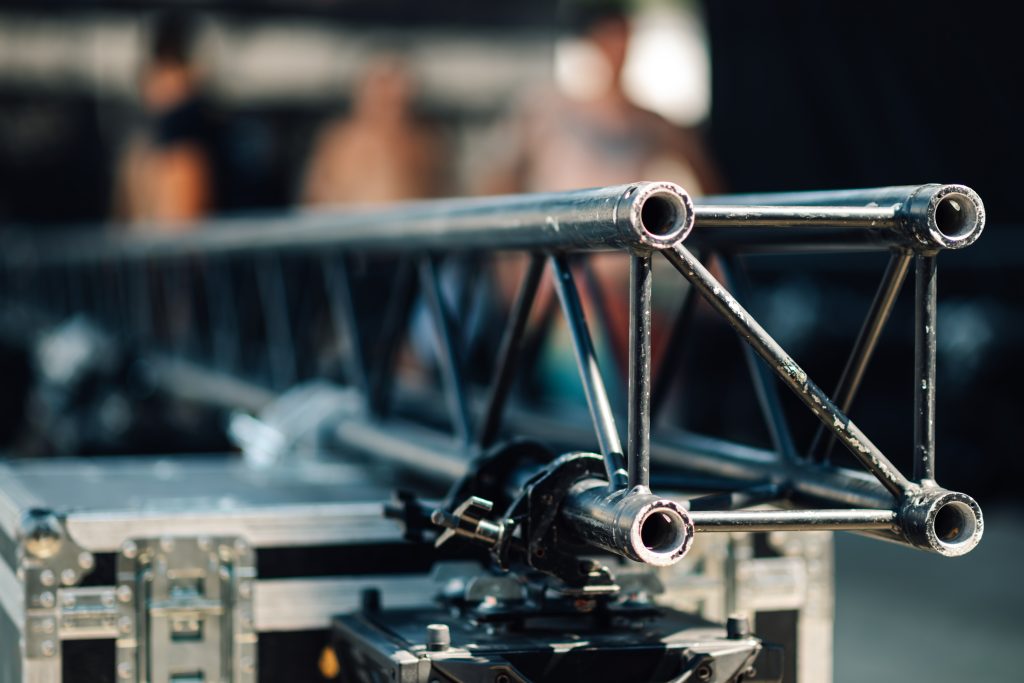
Film production equipment does not sit still. Cameras, lighting rigs, grips, and sound packages move continuously between warehouse storage, delivery vehicles, active sets, and return staging. Spotlight Rentals was managing that movement across a nationwide client base using spreadsheets and phone calls, which meant the system was only as current as the last person who remembered to update it. Equipment was regularly misplaced between sets, and the confirmation process consumed staff time that should have been spent on the next production booking.
Damaged returns were the second compounding problem. Without a documented check-out and return condition record, disputed damage became a conversation rather than a documented fact. Repairs happened without being tied to the rental that caused them. The repair history for any given camera or lighting rig existed in scattered work orders that nobody was consolidating into a complete picture of that asset's actual cost over its rental life.
The financial consequence was a profitability picture nobody could confirm. In 2026, a nationwide rental operation running multiple simultaneous productions needs to know which projects are actually profitable after accounting for depreciation, repair costs, and idle time between rentals. Spotlight had none of that data attached to individual projects. Revenue was visible. True margin was not.
Spreadsheet-based rental tracking has no chain-of-custody record and no timestamped condition log. When expensive equipment comes back damaged and a client disputes responsibility, the spreadsheet is not evidence. A timestamped FireFlight check-out and return record with condition documentation attributed to a specific rental is. That distinction becomes financially significant the first time a disputed repair exceeds the annual cost of the system that would have prevented the dispute.
What FireFlight was configured to handle
The deployment covered full lifecycle tracking for every item in the inventory, preventive maintenance scheduling and repair history logging per asset, per-production equipment allocation with real-time availability visibility, route optimization for deliveries between warehouse locations and active sets, and per-project financial tracking including rental income, repair costs, and depreciation. Configuration was completed in weeks, not months. Every piece of equipment was tagged and entered before the first production went live on the new system.
 Full Lifecycle Equipment Tracking
Every item tracked from warehouse check-out through on-set delivery, active use, and return condition logging. Complete chain of custody with timestamp and user attribution at every stage.
Maintenance Scheduling and Repair History
Preventive maintenance alerts fire before service intervals are missed. Every repair logged with cost, parts, and technician. Management sees which items have been repaired repeatedly and what each asset has cost in maintenance over its rental life.
Per-Production Equipment Allocation
Equipment assigned to specific productions with full availability and return date visibility. Scheduling conflicts surface before they become emergency shipments. Coordinators confirm what is available without calling the warehouse.
Route Optimization for Multi-Set Deliveries
Deliveries between warehouse locations and active sets routed for efficiency rather than scheduled independently per order. Shipping time and cost reductions compound across a nationwide operation with simultaneous active productions.
Per-Project Financial Tracking
Rental income, repair costs, and depreciation tracked per item and rolled up to per-project profitability. Each production's true margin is visible after accounting for the actual cost of the equipment it used, including any damage repairs triggered by that rental.
Scenario Planning for Resource Allocation
Managers simulate scheduling changes and maintenance timing before committing. Upcoming productions planned against confirmed availability and projected maintenance windows rather than assumed availability.
What changed after deployment
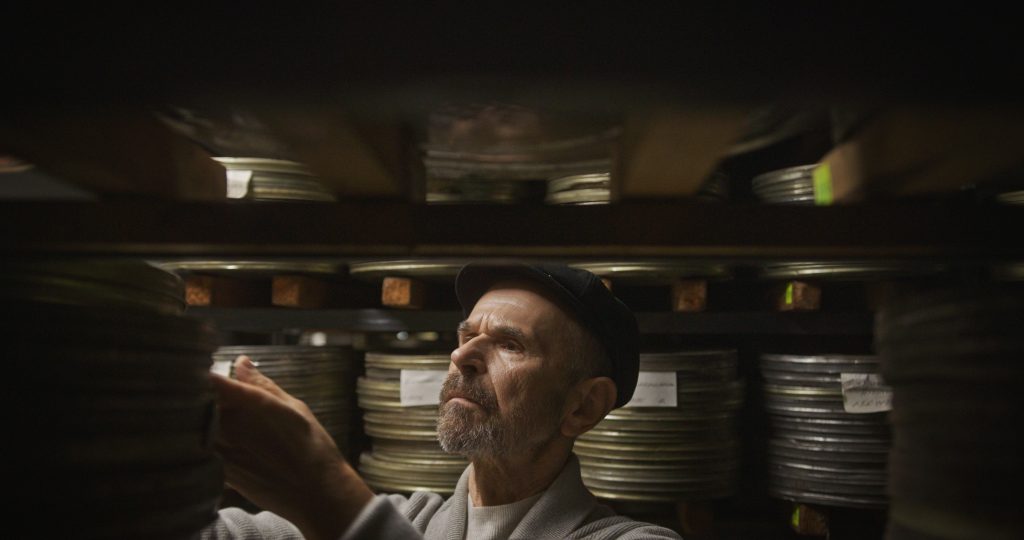
Equipment loss dropped by over 80% after deployment.¹ Every item had a confirmed location at every point in its rental cycle, and every movement was logged with a timestamp and a user. Equipment that had previously gone missing between sets was either located immediately in the system or flagged as overdue before the next production needed it. The emergency shipments that had been a regular operational cost became rare.
The repair dispute process changed as significantly. Return condition documented in FireFlight at check-in, attached to the specific rental and the specific client, converted a conversation about damage responsibility into a documented record. Repairs were logged against the asset and the rental that generated them. The financial picture for each project included what it actually cost to service the equipment that production returned.
- Equipment loss reduced by over 80% after full lifecycle tracking went live. Items that had previously been misplaced between sets had a confirmed location in the system at every stage of the rental cycle.
- Project delivery times improved as production coordinators stopped relying on phone calls to confirm availability. Equipment scheduling conflicts became visible days before the shoot rather than hours before it.
- Per-project profitability became a real number. Rental income, repair costs attached to specific productions, and depreciation combined into a margin figure management could act on rather than estimate.
- High-value equipment utilization increased as idle time between productions became visible. Items sitting in the warehouse past their expected return date were flagged rather than assumed to be in transit.
The maintenance history that accumulated in FireFlight over the first year became an asset in itself. Replacement decisions that had previously been based on a camera's age were now based on its documented repair cost over its rental life. Items repaired multiple times at high cost were identified for replacement. Items in strong condition despite heavy rental frequency were confirmed to stay in service.
What we learned from this deployment
Film production equipment rental has a cost structure that makes asset visibility disproportionately valuable. A camera or lighting rig sitting idle because it cannot be located is not just a missing asset. It is a rental day that cannot be recovered. At the daily rates that professional production equipment commands, even a modest reduction in idle time and loss pays for a full deployment within the first year.
The insight that applies to any high-value equipment rental operation: the margin on each rental is not the rental rate. It is the rental rate minus the repair cost triggered by that rental, minus the depreciation that rental consumed, minus the idle time that followed it. Without per-project financial tracking that captures all of those numbers, pricing decisions are based on revenue rather than margin. Spotlight was managing a revenue stream before FireFlight while the costs accumulated invisibly in the background. The 80% reduction in equipment loss was the most visible outcome. The recovery of margin per project was the more consequential one.
The second confirmed insight: maintenance history is a replacement planning tool, not just an operational record. When every repair is logged with its cost and attributed to a specific asset, the replacement decision stops being about how old the equipment is and starts being about what it has actually cost to keep in service. That shift produces better capital allocation decisions than any depreciation schedule alone.
Deployments covering full lifecycle equipment tracking, per-project financial reporting, and route optimization for multi-location rental operations are completed in weeks, not months. The configuration built for Spotlight Rentals applies directly to any rental operation managing high-value equipment across multiple simultaneous client engagements.
Frequently asked questions
 Can FireFlight track film equipment from warehouse storage through delivery on set and return?
Can FireFlight track film equipment from warehouse storage through delivery on set and return?
How does FireFlight track maintenance history for high-value equipment like cameras and lighting rigs?
How does FireFlight track maintenance history for high-value equipment like cameras and lighting rigs?
Can FireFlight manage equipment allocation across multiple simultaneous productions?
Can FireFlight manage equipment allocation across multiple simultaneous productions?
How does FireFlight track repair costs and equipment depreciation per project?
How does FireFlight track repair costs and equipment depreciation per project?
Can FireFlight optimize delivery routes between multiple active film sets?
Can FireFlight optimize delivery routes between multiple active film sets?
What happens when returned equipment comes back damaged? Can FireFlight log and track the repair?
What happens when returned equipment comes back damaged? Can FireFlight log and track the repair?
How long does a FireFlight deployment take for a nationwide film equipment rental operation?
How long does a FireFlight deployment take for a nationwide film equipment rental operation?

¹ Outcome reported by Spotlight Rentals based on internal equipment loss records before and after FireFlight deployment. Company name has been changed to protect client information.
The company name in this use case has been changed to protect client information. The operational scenario and outcomes described represent a documented FireFlight deployment.