FireFlight EAM:
Enterprise Asset Management Software
Every Asset.
Every Action.
Every Audit.
FireFlight EAM:
Enterprise Asset Management Software
Every Asset.
Every Action.
Every Audit.
What does FireFlight EAM actually track across the full asset lifecycle?
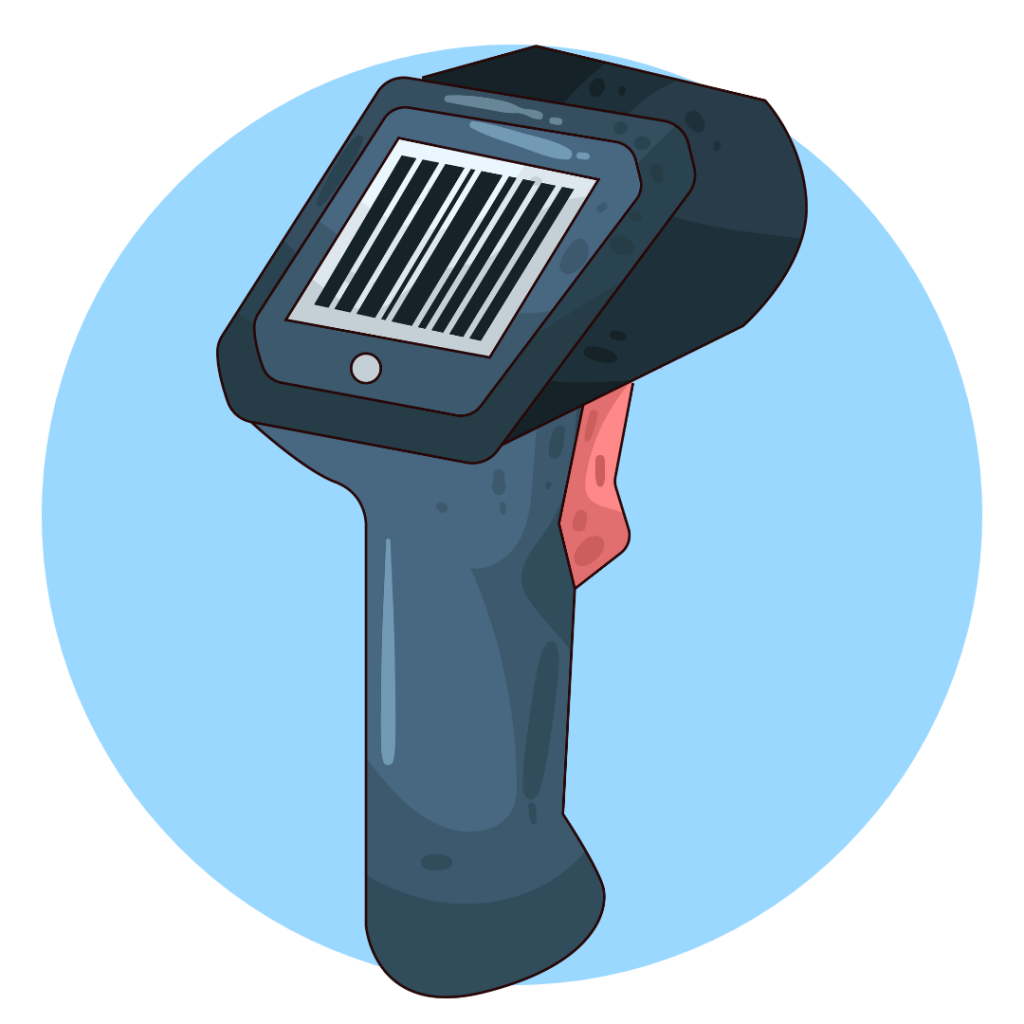
Every asset that enters your operation gets a master record in FireFlight the moment it is registered. That record captures classification, location, ownership, and custody from day one. Barcoding and scanning integration means physical intake does not require manual data entry. The record is accurate at creation, not reconstructed later from memory or paperwork.
The lifecycle does not stop at registration. Depreciation schedules, capitalization logs, and work orders attach directly to the asset record as events occur. When a work order closes, the cost is posted to the asset’s financial history automatically. When a depreciation milestone passes, the record updates without a separate accounting entry. The asset’s financial position and physical condition are visible from the same record at any point in its life.
For operations that have previously managed this in spreadsheets, the structural difference is significant. A spreadsheet shows what was entered. FireFlight shows what happened, when it happened, who authorized it, and what it cost. That audit trail is not an extra feature. It is built into every transaction the system records.
Asset Registry & Classification
Asset Lifecycle & Depreciation
FireFlight records every action taken on every asset record with a timestamp and user attribution. If a maintenance technician closes a work order incorrectly, the correction and the original entry both appear in the log. If an asset is moved between locations, the prior location is preserved in the record history. For regulated industries and operations subject to insurance audits, that trail is available on demand without any additional configuration. PCG has been building asset tracking systems for industrial, aviation, and compliance-heavy operations since 1995. The audit architecture in FireFlight reflects three decades of direct experience with what auditors actually ask for.
How does FireFlight handle preventive maintenance and equipment failures?
Preventive maintenance in FireFlight runs on schedules tied directly to asset records. When a threshold is reached, whether that is a time interval, a usage count, or a condition reading, FireFlight generates the work order without manual intervention. Maintenance coordinators see what is coming, not what already failed.
Corrective maintenance follows a different path. Downtime logs capture when an asset goes offline and why. Failure mode analysis connects the event to a root cause category that accumulates over time, building a failure history that informs repair-versus-replace decisions with actual data rather than gut instinct. That history is attached to the asset record, so a technician assigned to the third failure on the same piece of equipment can see the prior two before they start work.
Spare parts usage is tracked against work orders, which means parts consumption is visible at the asset level, the maintenance event level, and the warehouse level simultaneously. Stock transfers between locations are logged. Warranty management confirms whether a repair is covered before the work order is approved. Operations that previously handled these functions across separate tools find that the coordination overhead drops significantly once they are running inside a single connected system.
Preventive & Corrective Maintenance
What does FireFlight EAM do for inspection and compliance documentation?
Inspection management in FireFlight runs against checklists and standards that are configured to match your regulatory requirements. Each inspection generates a record tied to the asset, the inspector, the date, and the outcome. That record is not a separate document filed somewhere. It lives inside the asset’s compliance history and is visible in the same place as maintenance logs, warranty records, and cost data.
Audit scheduling keeps upcoming compliance events on the calendar before they become overdue. For operations managing assets across multiple sites or under multiple regulatory frameworks, the scheduling layer prevents the gaps that occur when compliance calendars are maintained in separate tools by different teams.
The inventory audit trail in this workspace covers physical inventory counts against system records. Discrepancies between what the system shows and what a count finds are flagged and tracked through resolution. For operations that have experienced compliance findings because asset records did not match physical reality, that reconciliation loop is what changes the outcome of the next audit.
Inspection & Compliance
How does FireFlight track what assets actually cost over their full life?
Total cost of ownership in FireFlight is not a calculation you run at the end of an asset’s life. It accumulates in real time as every work order, parts replacement, downtime event, and service contract charge posts to the asset record. At any point, a manager can pull the full cost history for any asset and compare it against the original acquisition cost and current book value.
Downtime costing connects equipment failures to financial impact. When an asset goes offline, the downtime log records the duration. The costing layer converts that duration into a financial figure based on the production or service rates configured for that asset type. Operations that have been unable to quantify the true cost of aging equipment find that this connection changes the conversation about capital replacement entirely.
Account and transaction data runs across every financial event tied to the asset: purchases, repairs, depreciation adjustments, warranty reimbursements, and disposal proceeds. That transaction history is the asset’s financial record, and it is maintained inside the same system as the maintenance and compliance records. Reconciling asset data across accounting and operations systems is not a process FireFlight customers need to run.
Asset Cost & Performance Analysis
How does FireFlight manage contracts, vendor relationships, and warranty coverage?
The Contracts, Vendors, and Warranty workspace connects the people and organizations responsible for your assets directly to the asset records those relationships affect. A service contract is attached to the specific assets it covers. A warranty record is accessible from inside the work order before the technician approves the repair. A supplier relationship carries the full purchase and transaction history for every asset that came from that supplier.
Contract lifecycle management tracks start dates, renewal dates, and expiration thresholds. Operations that have lost warranty coverage because a renewal slipped through the gap between a spreadsheet and a calendar find that the alert structure in FireFlight handles this without relying on anyone to remember.
Claims and reimbursements are tracked against contracts and warranties, giving finance teams visibility into recoverable costs that often go unclaimed when the connection between a repair event and the warranty covering it is not maintained in the same system.
Contracts, Vendors & Warranty
One Platform. Every Asset. Fully Integrated.
What other FireFlight systems connect to EAM?
Assets touch every part of an operation. The table below shows where EAM connects inside the FireFlight platform and what the absence of that connection costs in practice.
| Connected System | What EAM Sends or Receives | Without the Connection |
|---|---|---|
| CRM | Vendor, supplier, and service provider records that feed directly into contract and warranty management | Contract data lives outside asset records. Finding the right vendor for a repair requires searching a separate system. |
| Inventory | Spare parts availability and consumption tied to work orders and maintenance events | Parts usage is tracked separately from asset history. Reorder decisions are made without visibility into which assets are consuming stock fastest. |
| ERP | Asset costs, depreciation schedules, and capital transactions that feed into financial reporting | Asset financial data requires manual export and reconciliation between the asset system and the accounting system. |
| SCM | Purchase orders and supplier transactions connected to asset acquisition and parts procurement | Procurement and asset management operate in separate records. Matching a received part to an open work order requires manual lookup. |
| Compliance Management | Inspection records, audit schedules, and compliance documentation tied to specific assets | Compliance documentation is maintained separately from asset records. Producing a complete compliance history for a specific asset during an audit requires pulling from multiple sources. |
| Workflow Automation | Triggered alerts, scheduled work orders, and threshold-based notifications across all EAM workspaces | Maintenance scheduling and compliance alerts depend on manual calendar management. Events get missed when the person responsible for the calendar is unavailable. |
The pattern that appears consistently in asset management implementations is this: organizations underestimate how much of their maintenance spend is driven by a small number of assets with chronic failure histories. Those assets are visible in FireFlight's failure mode analysis and downtime cost data within the first few months of operation. The repair-versus-replace decisions that follow are grounded in actual cost history, not estimates. The second consistent finding: compliance gaps almost always trace back to scheduling failures, not documentation failures. The documentation exists somewhere. The problem is that no one checked whether the inspection was overdue before the auditor arrived. FireFlight's audit scheduling and threshold alerts close that gap at the process level rather than relying on individual vigilance.
What changes when every asset record is connected and current?
Maintenance teams stop working from memory and start working from schedules. The difference shows up in downtime rates within the first operating quarter. Equipment that was failing because preventive maintenance was deferred gets serviced before the failure occurs, and the cost of that service is a fraction of the cost of an unplanned repair.
Work orders are generated automatically when maintenance thresholds are reached, not when someone remembers to create them.
Repair costs post to asset records in real time, so total cost of ownership is current without a manual reconciliation.
Warranty coverage is confirmed before repair approval, which recovers costs that previously went unclaimed.
Compliance inspections are scheduled in advance, and overdue events trigger alerts before they become findings.
Vendor and contract data lives inside the same system as asset records, so the right contact for any asset is one click away.
Failure history accumulates on asset records and informs capital planning decisions with actual data.
Audit documentation is produced from the asset record without hunting through separate files or systems.

Operations that have managed assets across spreadsheets and disconnected tools for years often underestimate the coordination overhead they are carrying. FireFlight EAM does not eliminate the work of managing assets. It eliminates the overhead of keeping the information about those assets current, consistent, and accessible. Most deployments are operational in weeks, not months.
Everything you Need All in one Platform
Bring Asset Intelligence into Every Decision
Success isn’t one-size-fits-all
That’s why we tailor each system to your strengths—so you can move forward with an edge.
Power what’s next with FireFlight EAM.
What is the difference between FireFlight EAM and basic asset tracking software?
+
Can FireFlight EAM handle preventive maintenance scheduling automatically?
+
How does FireFlight track the total cost of owning a specific piece of equipment?
+
Does FireFlight EAM support compliance inspections and audit documentation?
+
Can FireFlight EAM manage warranty claims and service contract renewals?
+
How long does a FireFlight EAM deployment take?
+
What happens to asset history when staff changes or a system is upgraded?

+
PCG founded 1995. 500+ applications built across 31 years, roughly one-third in regulated environments where software failure carries direct operational and compliance consequences. FireFlight is the platform built from that body of work.
phxconsultants.com LinkedInFireFlight Data Systems is a product of Phoenix Consultants Group. PCG founded 1995. All system configurations are custom-built for each deployment. Implementation timelines, module availability, and integration scope vary by organization. Contact PCG directly to discuss requirements specific to your operation.