
Email Template Manager: One Source of Truth for Every Outbound Message
FireFlight Email Template Manager keeps every system email branded plus accurate, whether it fires automatically from a work order or goes out by hand. One central library. Role-based editing. Merge tags that pull live data at send time in 2026.
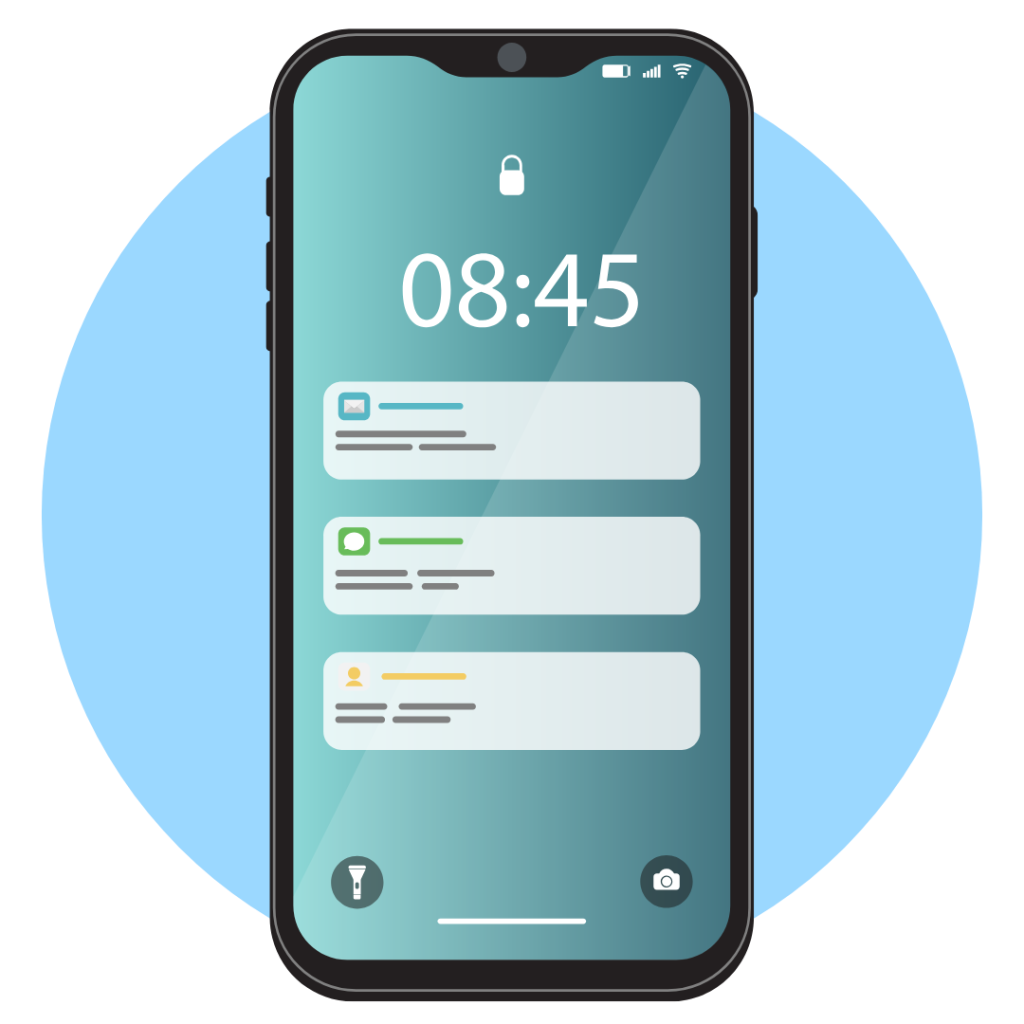
Where do your outbound emails actually come from? If different staff are pasting from old drafts, or templates live in five inboxes nobody owns, Email Template Manager replaces that. Every system email pulls from one central library. Role-based editing controls who can change wording. Merge tags pull the right data at send time so the customer sees the correct due date.

See how Email Template Manager keeps every customer touchpoint, internal update, plus system alert consistent with your brand and your data. Deployments run in weeks, not months.
Request a Demo Contact SalesWhy do email templates drift out of sync?
Most operations teams in 2026 still maintain their email content in scattered drafts spread across personal inboxes and forgotten folders. One person keeps the credential reminder in a personal inbox. Another saved the invoice cover note as a Word file on a shared drive years ago and forgot about it. Finance has a slightly different version of the same notice. When the legal team changes a disclosure line, one copy gets updated and the others drift.
The problem is that no application owned the email content. Each team treated their templates as private drafts. The same outbound message went out three slightly different ways depending on who pressed send that morning.
Email Template Manager fixes this by holding every template in one central library. Edits go through a role-based approval gate. When the legal disclosure changes, it changes once for every send that uses that template, automatic or manual.
How do merge tags stay accurate at send time?
Every template carries merge tags like [Client Name] or [Due Date]. At the moment the email fires, the platform replaces each tag with the live record value from the database. The customer sees their actual name on their actual due date, not a stale value from a template draft six months old.
Tags pull from any record the template is wired to. A work order email pulls the work order number, the assigned technician, plus the scheduled date from the live record. An invoice email pulls the amount and the terms from the invoice. A certification reminder pulls the credential name and the expiration date from the cert record.
When the source record changes after the template is built, the tag still resolves correctly on the next send. No retyping. No find-and-replace across a folder of saved drafts.
What apps does Email Template Manager connect to?


Role-Based Editing plus Approval Control
Edit permissions sit behind role-based controls. Marketing may revise customer-facing language. Finance owns billing notices. Compliance owns regulatory disclosure. Approval gates keep a draft from going live until the right role signs off, so a typo in legal language cannot reach a customer by accident.
Every template version is recorded. When a regulator asks which exact wording went out last quarter, the answer comes from the version history paired with the Outgoing Message Logs.

Your guide for every field, every screen
Ikhana walks new users through template creation, merge tag selection, plus the role-based approval workflow without anyone scheduling a training call.
New hires reach productivity in hours instead of weeks. Onboarding stops being a separate project.
Learn more about IkhanaWhat does Email Template Manager give your team?
 A central repository for every system-wide email template. One source of truth, no scattered drafts.
- Role-based editing plus approval permissions, so a draft change cannot reach customers until the right role signs off.
- Merge field tags like [Client Name] or [Due Date] that resolve to live record data at the moment the email fires.
- Integration with the SMS module plus the alerting module. The same content discipline carries across channels.
- Templates wired to Work Orders, Invoices and Quotes, Notes History, plus Certifications, so the right operational data lands in the right message every time without manual copy.
- Triggered or manual sending. The library serves automated workflow emails and the one-off message a manager types from a record.
- Version history on every template, so the exact wording sent on a given date can be reconstructed for an audit.
- Deployment runs in weeks, not months. Hosting sits on PCG infrastructure.
"We standardized our messaging across teams and cut down email creation time by 80%."Director of Client CommunicationsRegional Service Network
Ask your template library a question in plain English
Phoenix Consultants Group has built custom database software since 1995. Across 31 years and 500+ applications, roughly a third of that work has involved operational communications plus compliance audit trails for private-sector clients.
FireFlight adds an AI reporting layer on top of your live template library. Type "list every template that still uses the old disclosure paragraph and show how many sends fired from each one last month" and the answer comes back as a working report rather than a ticket assigned to IT. The query happens in weeks, not months of canned-report development.
What changes operationally after deployment?
- Template drift stops. When legal updates a disclosure line, it updates once for every send that uses that template across the whole platform.
- Customer-facing emails stop carrying stale data. Merge tags resolve to the current record value at the moment the message fires.
- Marketing and compliance stop fighting over wording. The approval gate forces the right role to sign off before anything customer-facing goes live.
- Audit requests for "what exactly did the customer receive on June 14" get answered from the version history plus the Outgoing Message Logs in seconds.
- New employees learn the library from Ikhana on screen, so onboarding compresses from weeks of shadowing into a few hours of guided work inside the actual app.
Frequently Asked Questions
What is an email template manager and what does this app do?
What is an email template manager and what does this app do?How do merge tags like [Client Name] actually work?
How do merge tags like [Client Name] actually work?Who can edit or approve templates?
Who can edit or approve templates?Does the manager serve both automated and manual emails?
Does the manager serve both automated and manual emails?Can we audit exactly which version of a template went out on a specific date?
Can we audit exactly which version of a template went out on a specific date?How long does Email Template Manager take to deploy?
How long does Email Template Manager take to deploy?Can we query the template library using natural language?
Can we query the template library using natural language?End the era of scattered email drafts
One library for every outbound message. Role-based editing, live merge-tag data, plus full version history. Deployments measured in weeks, not months. Hosting by PCG with phone support included.
Request a Demo Contact Sales
Phoenix Consultants Group, founded 1995. FireFlight Data Systems is a proprietary platform hosted by PCG. Page last updated May 2026.