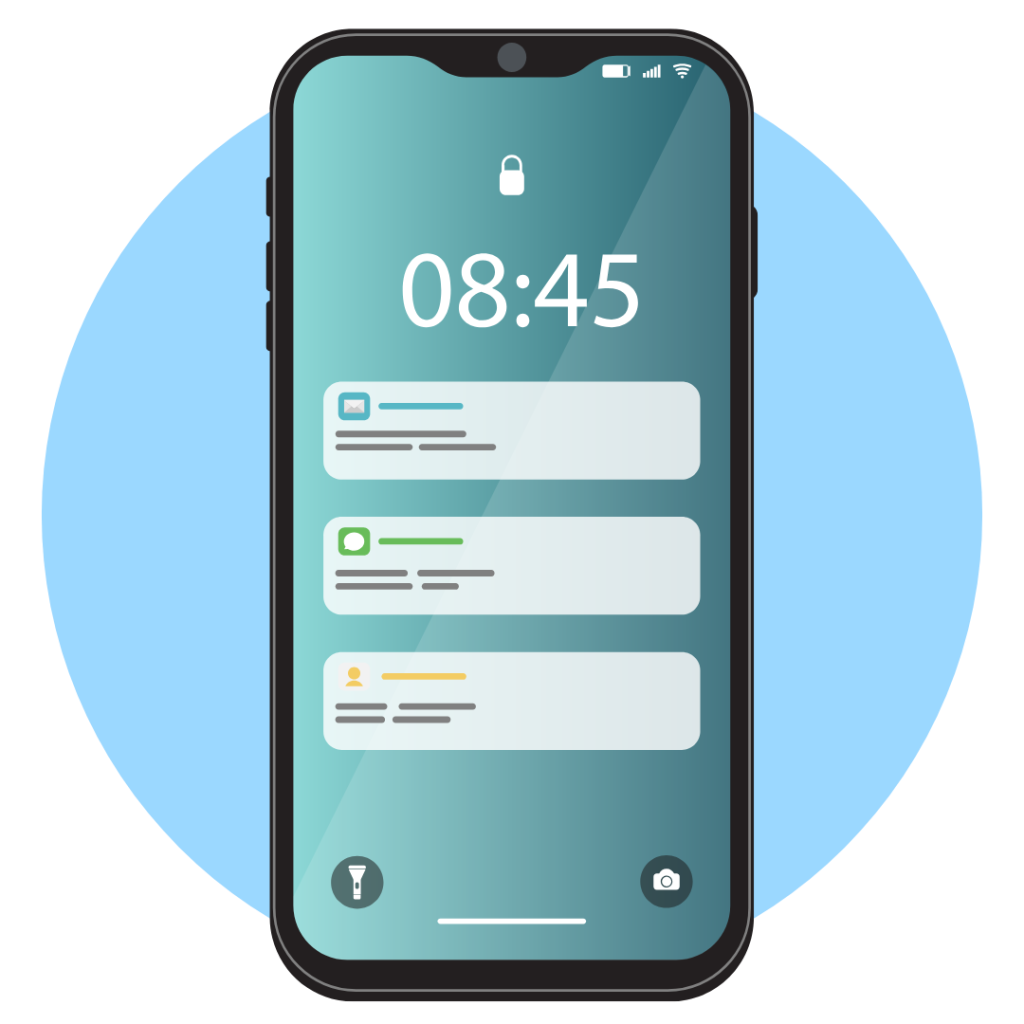

Email and SMS Channel Settings: Configure Once, Send Everywhere
FireFlight Email and SMS Channel Settings keeps your platform's outbound messaging credentials in one secure record. Sender identity, SMTP configuration, plus SMS gateway endpoint live in a single source that every workflow draws from in 2026.
Where does your system actually authenticate when it sends a message? Channel Settings holds that configuration in one record per channel. Sender name and address for email. Sender phone number for SMS. SMTP credentials. SMS gateway endpoint, such as Twilio. Every reminder, alert, plus scheduled update fires from this single authenticated profile rather than from scattered server-side settings nobody can find when something breaks.
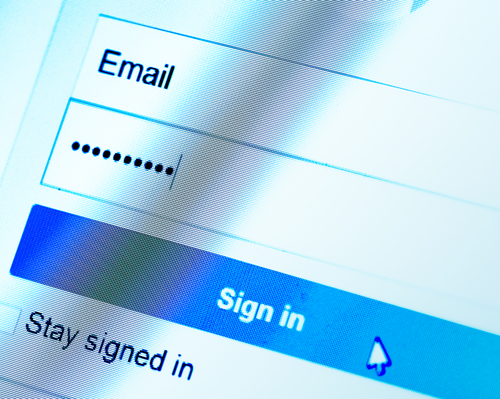
See how Channel Settings keeps every email and SMS your platform sends flowing through one authenticated profile. Deployments run in weeks, not months.
Request a Demo Contact SalesWhy does scattered messaging configuration break deliverability?
Most platforms in 2026 still configure outbound messaging in three or four places. One module hard-codes an SMTP server. Another stores SMS credentials in a config file nobody documents. A third uses a sender address that someone set up two years ago and forgot about. When credentials expire or a gateway endpoint changes, the platform starts dropping messages without anyone knowing where to look.
The problem is that no single record owned the messaging channel. Each workflow assumed somebody else handled authentication. Reminders bounced. Customer alerts disappeared into spam. The audit trail showed messages marked sent that recipients never received.
Channel Settings fixes this by holding one configuration record per channel. Email lives in one place. SMS lives in another. Every workflow on the platform draws from these two records rather than from scattered server-side variables.
How does the app handle credential rotation?
Credentials change. SMTP passwords rotate on a quarterly schedule for security teams that follow standard hygiene practices. SMS gateway tokens expire. When that happens, somebody with the right role edits the Channel Settings record once. Every workflow on the platform picks up the new credential on the next send.
Sender identity stays consistent across the rotation. The customer sees the same brand name and reply address before and after the credential changed. The audit trail records which user updated the credential and when. Compliance gets the same paper trail it would expect from any system-of-record change.
Routing endpoints work the same way. When a team moves from one SMS gateway to another, the new endpoint goes in once. Every reminder, every confirmation, plus every workflow alert routes through the new path on the next firing.
What apps does Channel Settings underpin?


Secure Credential Storage plus Role-Based Edits
Credentials sit behind role-based access. Only the roles authorized to manage outbound messaging can view or edit the Channel Settings record. Passwords and API tokens are stored securely rather than displayed in clear text on the edit screen, so a casual login cannot expose them.
Every change writes to the audit trail with user identity plus timestamp. When deliverability breaks at 2am on a Sunday, the on-call admin sees exactly when the last credential change happened and who made it.

Your guide for every field, every screen
Ikhana walks new admins through SMTP setup, SMS gateway configuration, plus credential rotation without anyone scheduling a training call.
New hires reach productivity in hours instead of weeks. Onboarding stops being a separate project.
Learn more about IkhanaWhat does Channel Settings give your team?
 A single configuration record for email plus a single record for SMS. One source of truth per channel.
- Sender name, sender address, plus sender phone number defined once and reused across every workflow that touches a customer.
- SMTP server settings on the email side. SMS gateway endpoint configuration on the SMS side, including Twilio and other supported providers.
- Secure authentication plus credential storage. Tokens and passwords stay encrypted at rest.
- System-wide use across every messaging workflow. Reminders, alerts, confirmations, plus scheduled updates all route through the same record.
- Easily editable when credentials rotate or routing endpoints change. One edit. Every send picks up the new value.
- Brand consistency plus message policy compliance enforced at the channel level rather than reinvented per workflow.
- Deployment runs in weeks, not months. Hosting sits on PCG infrastructure.
"We set it once, and every alert, update, plus reminder flows cleanly. Zero headaches."Operations CoordinatorMulti-Service Team
Ask your messaging configuration a question in plain English
Phoenix Consultants Group has built custom database software since 1995. Across 31 years and 500+ applications, roughly a third of that work has involved operational messaging plus compliance audit trails for private-sector clients.
FireFlight adds an AI reporting layer on top of your live messaging configuration plus the message logs that depend on it. Type "show every credential change on the SMS channel in the last 60 days and the message volume that fired during each window" and the answer comes back as a working report rather than a ticket assigned to IT. The query happens in weeks, not months of canned-report development.
What changes operationally after deployment?
- Credential rotation stops being a four-hour project across multiple modules. One record updates. Every workflow picks up the new value on the next send.
- Sender identity stops drifting. The customer sees the same brand name and reply address on every email regardless of which workflow generated it.
- When deliverability breaks at midnight, the on-call admin knows where to look. One record, one audit trail, one place to fix.
- Migrating from one SMS gateway to another stops requiring a sprint. The endpoint change lives in one record.
- New admins learn channel configuration from Ikhana on screen, so onboarding compresses from weeks of shadowing into a few hours of guided work inside the actual app.
Frequently Asked Questions
What does the Channel Settings app actually configure?
What does the Channel Settings app actually configure?Does the app work with Twilio for SMS?
Does the app work with Twilio for SMS?How are credentials stored?
How are credentials stored?What happens when SMTP credentials rotate?
What happens when SMTP credentials rotate?Can we switch SMS gateways without rewriting workflows?
Can we switch SMS gateways without rewriting workflows?How long does Channel Settings take to deploy?
How long does Channel Settings take to deploy?How does this connect to the Outgoing Message Logs and Template Managers?
How does this connect to the Outgoing Message Logs and Template Managers?Stop hunting for messaging credentials at 2am
One configuration record per channel. Secure credential storage, role-based edits, plus full audit history. Deployments measured in weeks, not months. Hosting by PCG with phone support included.
Request a Demo Contact Sales
Phoenix Consultants Group, founded 1995. FireFlight Data Systems is a proprietary platform hosted by PCG. Page last updated May 2026.