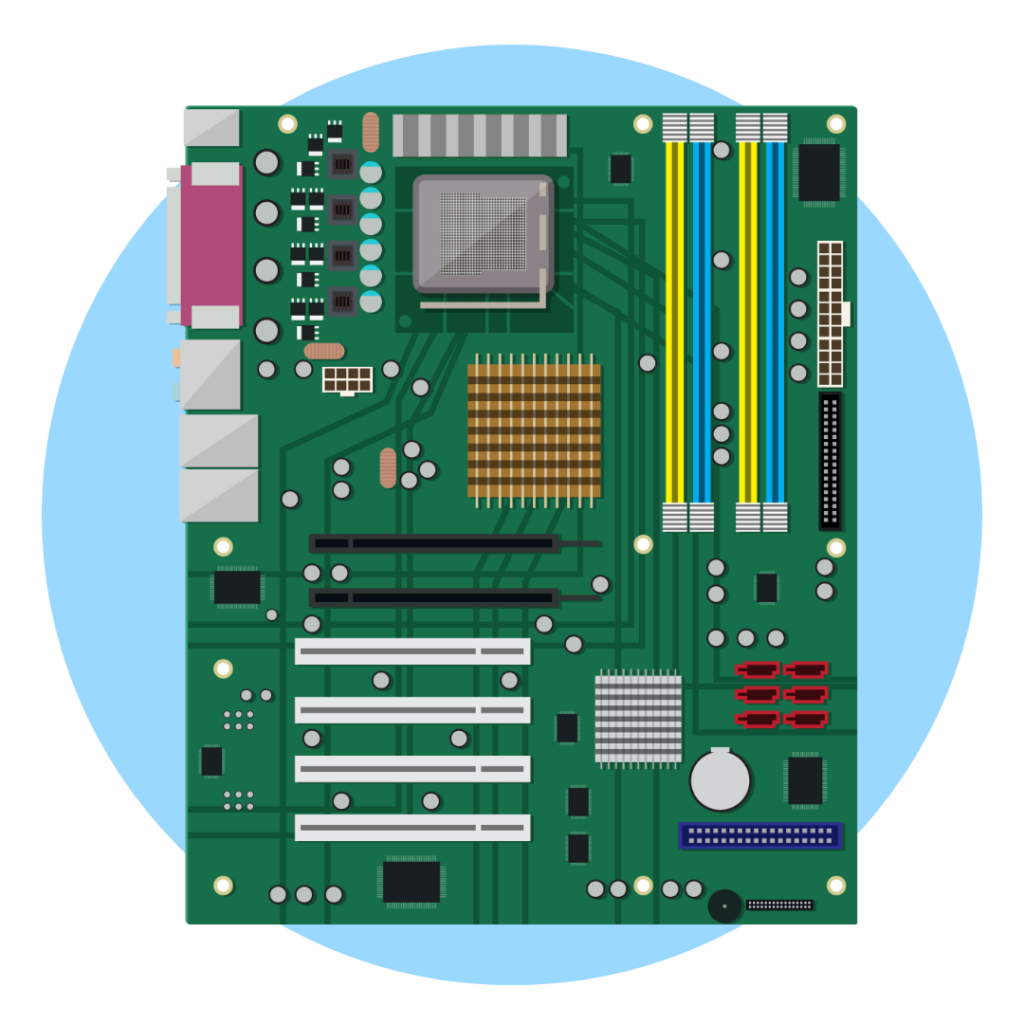

Vendor Catalog Management: One Catalog Every Buyer Trusts
Vendor Catalog Management pulls supplier product listings, price tiers, availability, plus part specs into one catalog. Your procurement team browses and compares items from current data instead of stale spreadsheets and scattered vendor portals.
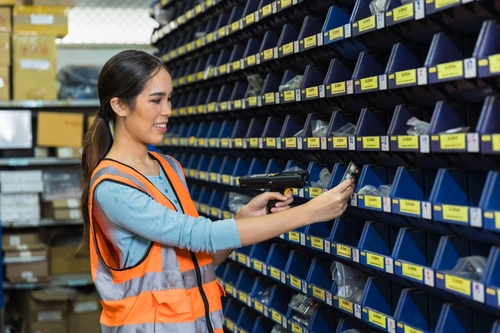
Why do misorders keep happening?
Buyers order from whatever data they can find. One pulls a price off last quarter's spreadsheet, another logs into a vendor portal, and a third just remembers what the part used to cost. The catalog of record does not exist, so the wrong SKU or a dead price slips through.
Each misorder costs twice. You pay to ship the wrong item back, then you wait again for the right one while the job sits idle. In 2026, with lead times still stretched, a single bad line on a PO can hold up a whole build.
Vendor Catalog Management gives every buyer the same source. Current pricing, real availability, plus the spec sheet attached to the item. When two people order the same part, they order it the same way.
How does the catalog keep supplier data current?
Every item lives in one repository, tagged by category, supplier, unit of measure, plus region. You update pricing in bulk, flag a SKU inactive the moment a vendor drops it, and keep part naming consistent so the same item never shows up under three labels.
Pricing carries versions and tiers, so a buyer sees the rate that actually applies, not a guess. Spec sheets, photos, plus PDFs attach to each record. When someone builds a purchase order, they pick the line item straight from the catalog with the preferred vendor and lead time already on it.
Most deployments run in weeks, not months. Your existing product data comes over clean, and the catalog ties into the procurement and PO tools you already run. Buyers stop hunting for a price and start ordering from one screen.
What apps does Vendor Catalog Management connect to?
 Procurement
 Supplier Management
 Purchase Orders
 Goods Receipt Management
 Returns & RMA Processing
 Custom Reporting
 Ad-Hoc Reporting
 Purchase Requisitions
How is your catalog data protected?
Your supplier listings, pricing tiers, plus the spec documents behind them sit on a platform hosted by Phoenix Consultants Group, not handed to a third party you never picked. Access is set by role, so a buyer browses the catalog while pricing edits stay with the people who own them.
Every price change carries a version, so you can always see what an item cost last quarter and who updated it.
What does Vendor Catalog Management give your team?
 One repository for every vendor product, instead of scattered spreadsheets and portals.
- Catalog tagging by category, supplier, unit of measure, plus region.
- Price versioning with tiered pricing.
- Attachments for spec sheets, photos, PDFs, plus videos on each item.
- PO line items selected straight from the catalog.
- SKU availability, lead time, plus preferred vendor indicators on every record.
- An internal request button with punchout-ready support.
We reduced misorders by 82% after centralizing our vendor product data. Every item now comes with the info we need to make confident decisions.Adrian L.Inventory Manager
Built by people who answer the phone
Phoenix Consultants Group has built custom software since 1995. About a third of that work has been operations and compliance tracking for environmental and industrial firms, where a wrong part number has real consequences. Vendor Catalog Management comes from that experience.
The same platform now adds AI reporting. A buyer can ask a plain-English question about pricing trends or which vendor is preferred for a part and get an answer from live data, with no canned report and no waiting on IT. Most deployments still run in weeks, not months.
What changes operationally after deployment?
- Buyers order from one catalog instead of three spreadsheets and a portal.
- Misorders drop because the data is current.
- A price change updates once and reaches every buyer.
- Dead SKUs get flagged before someone orders one.
- A purchase order gets built from the catalog in minutes.

Ikhana walks your team through every field
From the first click to the last entry, Ikhana sits on the page as your on-screen tutor. Every field, every button, explained the moment you need it. No thick manual, no support ticket.
Learn moreFrequently Asked Questions
Can FireFlight put all our supplier product data in one catalog?
Can FireFlight put all our supplier product data in one catalog?How does the catalog handle different price tiers?
How does the catalog handle different price tiers?Can I update pricing for many items at once?
Can I update pricing for many items at once?Does the catalog feed straight into purchase orders?
Does the catalog feed straight into purchase orders?How long does it take to get Vendor Catalog Management running?
How long does it take to get Vendor Catalog Management running?Can buyers attach spec sheets and photos to catalog items?
Can buyers attach spec sheets and photos to catalog items?
Phoenix Consultants Group. Founded 1995. FireFlight Data Systems is PCG's hosted platform. Last updated June 2026.